Image
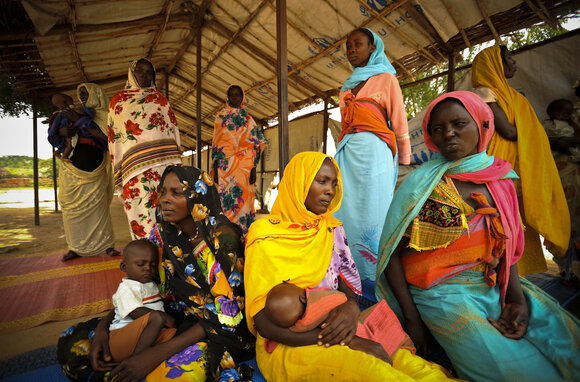
This page contains documents and other resources related to children's care in Africa. Browse resources by region, country, or category. Resources related particularly to North Africa can also be found on the Middle East and North Africa page.
Displaying 101 - 110 of 597
This joint note aims to consolidate the current recommendations on Infant and Young Child Feeding in the context of the COVID-19 pandemic in Eastern, Central and Southern Africa.
This paper provides insights into the feasibility and lessons learned from rural Kenya in providing Care for Child Development (CCD) training and supporting its implementation alongside the Baby Friendly Community Initiative (BFCI).
This article describes the impact on social services of an innovative model of family care in Moshi, Tanzania, aimed at orphaned children and youth who are affected by HIV/AIDS and their caregivers.
The purpose of this manual is to provide guidance on how to collect and report data on children in formal alternative care in a standardised way, and to analyse, present, and make the data available for use.
The child protection in emergencies (CPiE) capacity gaps analysis (CGA) in the West and Central Africa (plus Mauritania) region, targeting CPiE practitioners with 3-5 years of professional experience, aimed to collect and provide information on (1) identified key CPiE capacity gaps and (2) existing and available capacity building initiatives.
The Trainers Package is primarily for Government of Rwanda Child Protection and Welfare Officers, representatives of the NCPD and others who work directly with children and families on reintegration of children, including children with disabilities, from residential institutions to family care. It can also provide useful information to people working in other local government roles, for example District Disability Mainstreaming Officers and Gender &
Family Promotion Officers, as well as people working in non-governmental organizations (NGOs) or community based systems (for example, Inshuti z’Umuryango - Friends of the Family) who support children and families, and particularly those who have contact with children during the reintegration process.
Medidas preventivas e de mitigação do impacto do COVID-19 nos grupos vulneráveis e de alto risco entre os beneficiários do PSSB.

This chapter reports on one such intervention, the Family Strengthening Intervention (FSI), initially developed and tested in Rwanda to improve communication and parenting in HIV/AIDS-affected families with school-age children.
To investigate the challenges faced in addressing the needs of orphans and vulnerable children in Marondera, focus group discussions and interviews were utilised. Thematic analysis was used to analyse the data in this study and the data was presented in themes.
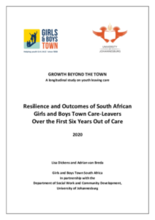
This report presents the latest findings from the Growth Beyond the Town Girls and Boys Town South Africa (GBTSA)/University of Johannesburg (UJ) joint partnership longitudinal research study. Presented are the findings from 150 participants who were interviewed as they disengaged from GBTSA, as well as the outcomes of many of these care-leavers that have been measured each year during follow-up interviews.