Image
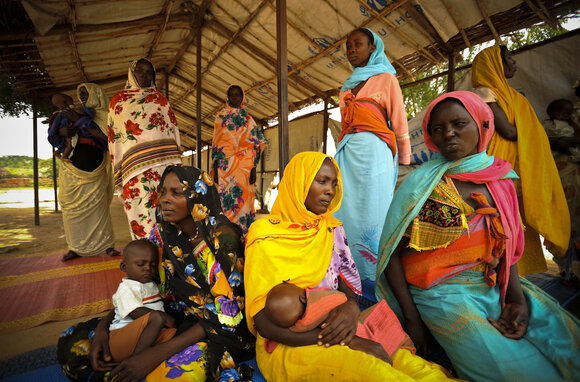
This page contains documents and other resources related to children's care in Africa. Browse resources by region, country, or category. Resources related particularly to North Africa can also be found on the Middle East and North Africa page.
Displaying 461 - 470 of 597
Understanding youth transitions from out of home care must include developing countries. A model is presented to facilitate this global integration. The model combines resilience and social capital within a social ecology of support. Use of the model is illustrated by a South African youth mentoring scheme for care leavers.
This Resource Guide aims to be a user-friendly and manageable document designed to provide an overview of the current system strengthening approaches, along with a series of resources and tools available to support systems strengthening in child protection.
This report outlines the global context that the Eastern and Southern Africa Region (ESAR) is operating within, with respect to child protection.
This study analyzed the current social protection environment in the Democratic Republic of the Congo (DRC) and examined the “vulnerabilities and risks facing children living in poverty in Kinshasa, Bas Congo and Katanga provinces.”
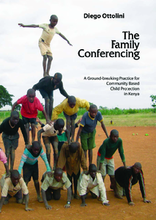
A retrospective exploratory study on 73 family group decision making conferences for children referred to institutional public services in Kenya to investigate the short, medium and long term conference outcomes on child’s safety, permanency and wellbeing.
This presentation provides an overview of approaches and frameworks utilized to strengthen child protection systems in Africa.
The objective of this child protection systems mapping and analysis is to provide stakeholders with a descriptive profile of their existing system, and an initial assessment of its contextual appropriateness and relevance to the populations being served.
The Minimum Package is a guide to encourage the harmonizing of service delivery for Orphans and Other Vulnerable Children and Youth (OVCY) across the Southern African Development Community (SADC) region.
Report assessing the existing framework for foster care in light of the realities of Namibian foster care in practice. Based on information about foster care frameworks and guardianship legislation in other countries, recommendations are provided for new approaches to foster care and foster care grants which could be incorporated into Namibia’s forthcoming Child Care and Protection Act (CCPA).
A training manual on supporting children and young people who have been orphaned or affected by HIV and AIDS. It provides exercises for caregivers and other adults on understanding how children experience loss and grief and on the types of social and psychological supports such children will need.