Image
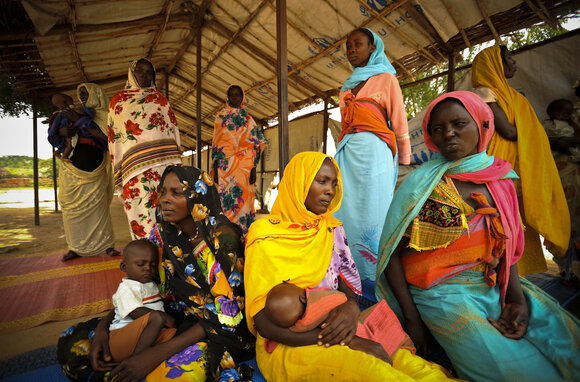
This page contains documents and other resources related to children's care in Africa. Browse resources by region, country, or category. Resources related particularly to North Africa can also be found on the Middle East and North Africa page.
Displaying 61 - 70 of 2673
The OVC monograph presents the status of Orphans and other Vulnerable Children in Uganda based on the 2024 National Population and Housing Census while observing trends through a re-analysis of the 2002 and 2014 Census datasets.
This study examines institutional care policy and operations in Nigeria using a qualitative literature review, with a focus on how children’s rights frameworks shape child welfare practices. The study concludes that institutions can be improved to be comparable to family living but they should be the last resort.
This study assessed the prevalence and factors associated with physical violence against orphaned and vulnerable children (OVC) in Namibia, using data from 16,507 participants in the Reach program. Findings show that 10.9% of OVC experienced recent physical abuse, with variation across districts and age groups, highlighting the need for targeted violence‑prevention campaigns, community-level behavior change initiatives, and regular regional assessments to address localized drivers of violence.
This paper introduces an Advocacy Reach Calculator developed by ChildFund International to estimate how many children and families benefit from child protection policy changes. It outlines the tool’s development and pilot testing in four countries, showing how it can support better monitoring, planning, and advocacy efforts.
This qualitative case study in Arua City, Uganda, explores how parenting practices contribute to the persistence of street children, drawing on interviews with 30 street-connected children as well as parents and community leaders. Findings show that poverty, neglect, abuse, weak supervision, and family breakdown—combined with push factors like hunger and domestic violence and pull factors such as peer networks and perceived economic opportunity—drive children to the streets, underscoring the need for strengthened family support, community protection systems, and parental economic empowerment.
This study explores why street children resist removal interventions and often return to the streets in Zambia, drawing on perspectives from children, caregivers, and guardians. It finds that factors such as poverty, family conflict, abuse, and inadequate conditions in care facilities drive both initial street involvement and reintegration failure, highlighting the need for more comprehensive and coordinated interventions.
This article tells the story of Nigerian missionaries Olusola and Chinwe Stevens, who have spent three decades rescuing babies and young children in central Nigeria from harmful traditional beliefs that label them as “cursed” and sometimes lead to
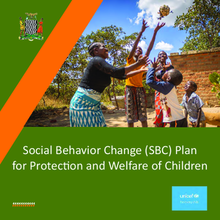
This Social and Behaviour Change (SBC) Plan outlines Zambia’s strategic approach to strengthening child protection through behaviourally informed programming and community engagement. Developed by the Ministry of Community Development and Social Services with support from UNICEF and partners, the plan focuses on reducing violence against children, preventing child marriage, increasing birth registration, and promoting family-based care.
This article reviews global evidence on the impacts of institutional care versus family-based alternatives and examines how these findings inform foster care reform in Ogun State, Nigeria. It synthesizes research from 2009–2025 to identify key developmental outcomes, implementation lessons, and policy priorities for transitioning away from institutional care.
In Kenya, young people’s experiences of residential care and life after leaving care highlight trade-offs between material support, emotional guidance, and personal freedom. The study emphasizes that family strengthening and individualized case management are crucial to support children reunifying with families and successfully transitioning out of residential care.