Image
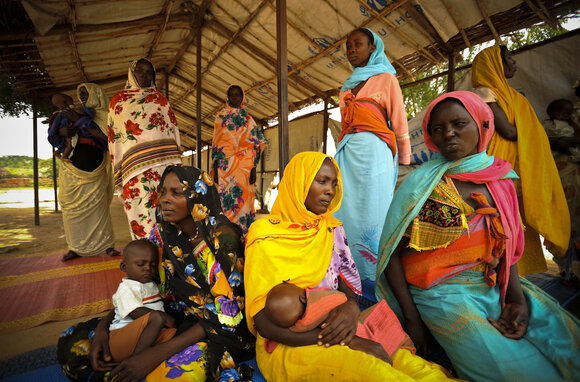
This page contains documents and other resources related to children's care in Africa. Browse resources by region, country, or category. Resources related particularly to North Africa can also be found on the Middle East and North Africa page.
Displaying 71 - 80 of 2675
This article reviews global evidence on the impacts of institutional care versus family-based alternatives and examines how these findings inform foster care reform in Ogun State, Nigeria. It synthesizes research from 2009–2025 to identify key developmental outcomes, implementation lessons, and policy priorities for transitioning away from institutional care.
In Kenya, young people’s experiences of residential care and life after leaving care highlight trade-offs between material support, emotional guidance, and personal freedom. The study emphasizes that family strengthening and individualized case management are crucial to support children reunifying with families and successfully transitioning out of residential care.
This article describes how, in Ghana, government officials report that more than 60,000 children are currently living and working on the streets of major urban centres, a situation described as a national emergency due to its links with deepening child poverty and multidimensional deprivation.
This article talks about how the Western Cape Department of Social Development in South Africa has launched a new Independent Living pilot programme aimed at supporting young adults as they exit alternative care after turning 18, addressing the ga
The piece argues that Lagos, Nigeria’s largest city, is mishandling the growing crisis of street children by relying mainly on enforcement actions — such as rounding up boys seen begging or washing windscreens along busy roadways
The KUOW article explores a striking reduction in the number of children in southern Uganda who have lost a parent, dropping from nearly one in four in the early 2000s to just 6% by 2022, and links this trend to global HIV treatment efforts.
This article reports how charities claim that sharp cuts to international humanitarian aid have forced desperate mothers in refugee camps to abandon their children because they can no longer feed or care for them amid collapsing services, food sho
This paper examines how children in out-of-home care and care leavers in Ethiopia may experience loss of family memory and identity, particularly due to inappropriate removal from families and inadequate record keeping. It introduces theoretical concepts including collective family memory, fictive kinship, paper orphanhood, manufactured identities, and identity reconstruction to support deeper research into identity, family connections, and care-leaving experiences.
This article examines the growing prevalence of child-headed households in Zimbabwe, exploring the challenges these children face and the effectiveness of community-based interventions in supporting their wellbeing. It highlights the role of families, community networks, and social services in mitigating risks and proposes a holistic, community-driven model to strengthen resilience and improve outcomes for vulnerable children.
This report presents findings from the SEEDs community-led child protection pilot implemented in Manica Province, Mozambique (2023–2024). The approach aimed to strengthen community ownership, enhance local capacity, and generate evidence for scalable child protection programming.