Image
This page contains documents and other resources related to children's care in the Americas. Browse resources by region, country, or category.
Displaying 1071 - 1080 of 1438
This book draws on over 20 years of work in foster care, along with current attachment research and theory, to question traditional foster care models, make recommendations for improved models of care and interventions, and aid social workers and care professionals to better understand families in crisis and inform their practice.
Based on a three-year, multi-sited ethnography with unaccompanied migrant children and their families, this paper investigates how U.S. institutional policies of immigration detention and family reunification impact migrant children and their families.
This issue focuses on the role of kin and relatives as permanency resources for children in the child welfare system.
In addition to discussing the legal implications of immigration status on foster placements, this article provides promising practices and other tools for those who work closely with immigrant caregivers in the child welfare system.
The 2017 Home Visiting Yearbook presents, for the first time, the most comprehensive picture available of home visiting on the national and state levels, revealing the breadth of home visiting in the United States and identifying the gaps in practice.
This country care review includes the care-related Concluding Observations adopted by the Committee on the Rights of the Child during the seventy-fifth session (15 May 2017 - 2 Jun 2017) of the Convention on the Rights of the Child.
This study sought to examine the factors associated with the length of foster parenting duration. Study results will contribute to developing implications for successful recruitment and retention policies and practices for foster parents.
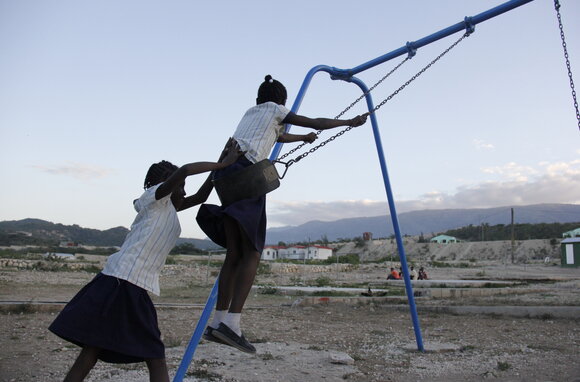
Pour comprendre la raison pour laquelle les orphelinats continuent de se développer en Haïti et la façon dont ils affectent les enfants, Lumos a mené une enquête sur les modes de financement et les ramifications de la vie en orphelinat sur les enfants élevés entre leurs murs.
In this report, Lumos investigates the funding patterns of Haitian orphanages as well as the ramifications of orphanage life for the children raised within them to better understand why orphanages continue to flourish in the country.
This study aimed to investigate the profile and care practices of educators teaching at institutional shelters for children in the state of Pará, comparing two contexts, the metropolitan region of Belém (RMB) and the interior region of the state (IE).