Image
This page contains documents and other resources related to children's care in the Americas. Browse resources by region, country, or category.
Displaying 121 - 130 of 566
A qualitative program evaluation was conducted, including focus groups with 36 parenting young women who had participated in Passport to Parenting (P2P) initiative services and interviews with 11 key staff of the three partnering agencies.
This study examined the impact of health care education materials designed for foster youth, called ICare2CHECK. It was hypothesized that ICare2CHECK would increase nonurgent ambulatory health care use and decrease emergency/urgent care use.
This study examined the outcomes of a training aimed at enhancing child welfare practitioners’ use of data from the the Ontario Looking After Children (OnLAC) project for service planning related to young people’s educational outcomes.
This study examined the long-term effects of the Head Start early childhood program on foster children's developmental outcomes from ages 3–4 to 8–9.
This issue of the Future of Children focuses on the first years of life starting with in utero experiences.
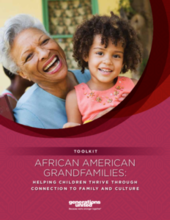
This toolkit is designed to give resources and tips to child welfare agencies, other government agencies and nonprofit organizations, so they can better serve all African American grandfamilies.
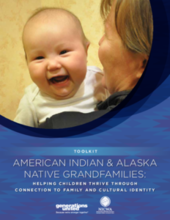
This toolkit is designed to give resources and tips to child welfare agencies, other government agencies and nonprofit organizations, so they can better serve all American Indian and Alaska Native grandfamilies regardless of child welfare involvement.
This How We Care series examines how three of Family for Every Child's Members are promoting the effective integration and reintegration of children on the move through their programming.
This Module explores how cognitive and social-emotional abilities operate in youth’s daily experience and personal lives and what we can do to help young people develop and strengthen these skills in order to thrive.
Esta infografia demuestra el proceso de integración de niños, niñas, y adolescentes (NNA) en familias de acogimiento temporal en Guatemala durante la pandemia de COVID-19.