Image

Displaying 21 - 30 of 785
Institutional mechanisms established under India’s Juvenile Justice (Care and Protection of Children) Act and the Integrated Child Protection Scheme play a central role in safeguarding children’s rights through case management, rehabilitation, and coordination. This systematic review of literature (2010–2025) finds that while these systems are essential, they face persistent challenges such as limited resources, inadequate training, and weak monitoring, with improved outcomes linked to community-based and rights-based approaches.
This study reviews existing research on the challenges faced by orphans in Jammu and Kashmir, India, highlighting that while some children remain with extended family, others are placed in orphanages when relatives cannot provide care. The review finds that orphans in the region face multiple social, economic, psychological, and health challenges throughout their lives.
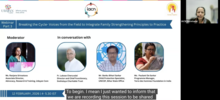
This session, during Dasra Philanthrophy Week, brings together thought leaders, policymakers, funders, and civil society actors to reflect on where children are being missed, why risks go unidentified, and how systems can be strengthened. Drawing from policy, practice, and lived realities, the conversation will explore how early identification and cross-sector coordination can enable stronger and more timely child protection responses.
This article notes how a pan-India study revealed that thousands of children of incarcerated parents (CoIP) are left invisible and vulnerable within India’s criminal justice system despite Supreme Court mandates intended to protect their rights and well-being.
In this webinar, speakers shared the principles, practices, and innovative initiatives in family strengthening across the East and North-Eastern regions of India. Speakers reflected on evolving family vulnerabilities, the role of family-based care in care reform, and what it truly takes to embed family-strengthening principles into everyday practice.
This study examined differences in emotional and behavioural problems among 400 adolescent orphans in Kerala, India using the Strengths and Difficulties Questionnaire to assess how sociodemographic factors shape mental health outcomes. The findings revealed significant variations by gender, religion, type of orphanhood, length and type of institutional care, underscoring the need for tailored psychosocial interventions that reflect these differences.
The article highlights a deeply troubling crisis facing street-connected children in Pakistan, who remain largely invisible to authorities and are subject to widespread sexual exploitation and abuse, exacerbated by poverty, lack of safe shelter, l
In this article, Hasht-e Subh reports that the Taliban has abruptly closed private orphanages across Afghanistan, seized their assets, and transferred thousands of vulnerable children into state-run facilities under Taliban control—raising deep co
This paper examines how India’s adoption framework applies the best interests of the child principle, analyzing legislation, regulations, court decisions, and international standards. It argues that while adoption procedures have become more centralized, gaps in institutional capacity, eligibility rules, and statutory safeguards limit the principle’s meaningful application and contribute to informal adoptions.
This qualitative case study examines the challenges and opportunities of alternative childcare services in Bangladesh, finding a growing demand for care options but significant gaps in quality and coordination. Key issues include inadequate emotional and psychosocial support, shortages of trained caregivers, weak monitoring systems, and social stigma, highlighting the need for stronger investment, capacity building, and a more child-centred approach.