Image
This page contains documents and other resources related to children's care in Europe. Browse resources by region, country, or category.
Displaying 711 - 720 of 1752
This study extends research on the effects of institutionalization—by examining the trajectories of cognitive, language and motor development of 64 Portuguese infants and toddlers across the first six months of institutionalization, while determining whether pre-institutional adversities and the stability and consistency of institutional care predict children’s development.
This conceptual chapter from the book Education in Out-of-Home Care argues that efforts to improve educational outcomes for care experienced young people need rethinking.
This chapter from the book Education in Out-of-Home Care reviews available evidence, drawing on a recent small-scale English research study to explore the potential of early education as an intervention for children in care.
This chapter from the book Education in Out-of-Home Care presents findings from a study of the educational progress of Out of Home Care (OHC) children in England.
The aim of this study is to examine mental ill-health amongst children known to social services based on care exposure including those who remain at home, those placed in foster care, kinship care or institutional care and the general population not known to social services.
The purpose of this paper is to study an examination of existing international research concerning unaccompanied refugee minors (URM) and of whether, and if so how, issues relating to drug use and criminality among these children are discussed in the international literature.
This is a study on perceptions of child abuse and interventions in cases of abuse in the Family and Childhood Support Centres in Saint Petersburg, Russia.
This article reports on the analysis of 11 qualitative interviews with parents who had attended child protection case conferences (CPCCs) in Scotland.
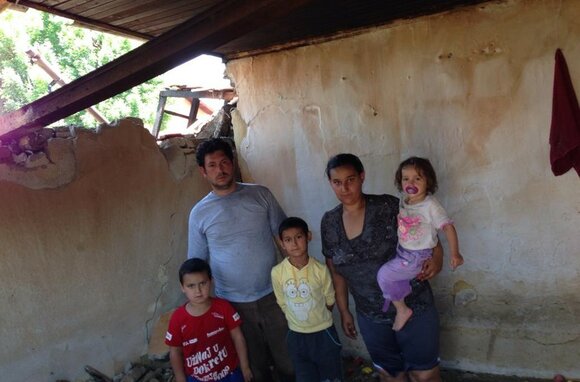
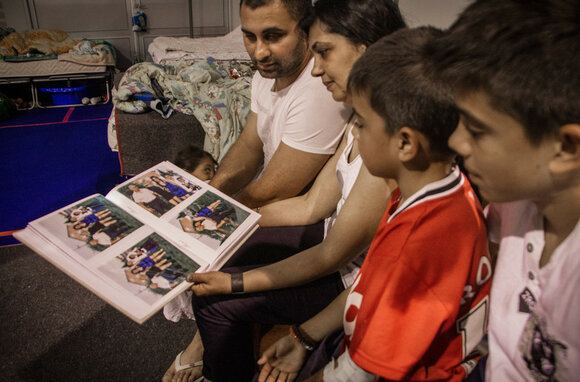
This study finds that the size of the nuclear family has a significant positive relationship with refugees’ mental health, whereas family separation has a significant negative relationship.
This particular paper has been focused on the multiple discriminations suffered by women and girls (including unaccompanied minor girls) and on the problems that they face in the field of refuging and immigration, as recorded to a large extent through informal interviewing of public agencies staff that are involved in this issue.