Image
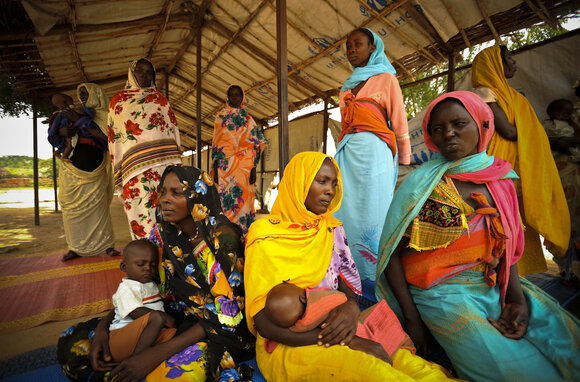
This page contains documents and other resources related to children's care in Africa. Browse resources by region, country, or category. Resources related particularly to North Africa can also be found on the Middle East and North Africa page.
Displaying 221 - 230 of 597
This case study is one in a series of case studies highlighting different aspects of a case management system and referral mechanisms utilized by OVC programs. The case study presents a program in Mozambique that could be identified as a hub and spoke model of referral mechanism.
This case study is one in a series of case studies highlighting different aspects of a case management system and referral mechanisms utilized by OVC programs. The case study looks at the work of the Children in Distress Network (CINDI) in the uMgungundlovu District of KwaZulu-Natal Province (KZN) of South Africa.
In this summative report from Young Lives, an international study of childhood poverty, authors Kirrily Pells and Virginia Morrow highlight the study’s key findings on violence affecting children, exploring what children say about violence, how it affects them, and the key themes that emerge from a systematic analysis of the children’s accounts from study countries of Ethiopia, India, Peru and Vietnam.
This document on 0 – 3 years standards was developed to complement the other existing Early Childhood Care and Development (ECCD) documents which provide guidelines for caregivers in Ghana, including parents, towards achieving the developmental milestones or competencies within the age bracket 0-3.
This final report on the “Deinstitutionalization of Vulnerable Children in Uganda” (DOVCU) project identifies its successes as well as some shortcomings and key learning that is directly relevant to other projects working to support family care for children.
This case study tells the story of a child protection programme developed by a community-based organisation called Children of the World that works in villages in northern Uganda.
Prepared for the Agenda 2030 for Children: End Violence Solutions Summit, held in Stockholm, Sweden, on 14-15 February 2018, this report tracks progress towards prohibition and elimination of corporal punishment of children in Pathfinding countries.
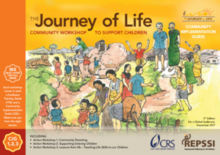
The series is designed for communities wishing to support children in need and their caregivers. It includes a facilitator training guide and community implementation guide, as well as guides on protecting children from trafficking and abuse.
The objective of this study was to assess the impact of ‘Parenting for Lifelong Health: Sinovuyo Teen’, a parenting programme for adolescents in low-income and middle-income countries, on abuse and parenting practices.
This case study from ChildFund's 2018 Impact Report describes the Deinstitutionalization of Orphans and Vulnerable Children (DOVCU) initiative in Uganda, which aims to to improve the safety and well-being of children outside of family care.