Image
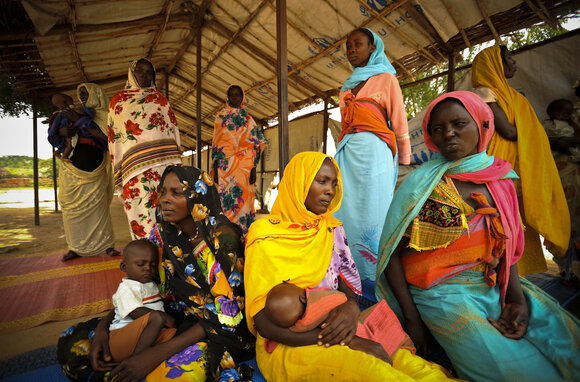
This page contains documents and other resources related to children's care in Africa. Browse resources by region, country, or category. Resources related particularly to North Africa can also be found on the Middle East and North Africa page.
Displaying 271 - 280 of 597
This paper aims to identify key factors for successful implementation of increasingly popular ‘cash plus’ programmes, based on (i) a review of the emerging evidence base of ‘cash plus’ interventions and (ii) an examination of three case studies, namely, Chile Solidario in Chile, IN-SCT in Ethiopia and LEAP in Ghana.
This study aimed to test the effectiveness of life skills education (LSE) and psychoeducation in the reduction of Youth Self Report (YSR) scores on institutionalized children in Kenya, using structured activities supported by trained facilitators.
This report is based on findings the Nationwide Assessment of all Child Care Facilities (CCFs) in Zambia, which aimed to gather evidence for the purpose of updating baseline information pertaining to the condition of all Child Care Facilities (CCFs) in Zambia; in line with the Minimum Standards of Care for Child Care Facilities (MSC), United Nations Convention on the Rights of the Child (UNCRC) as well as the UN Guidelines for the Alternative Care of Children.
This study assesses the impact of of official government intervention programmes in managing child vulnerability and Child Headed Households (CHHs) in South Africa.
This presentation describes the issue of violence against children in alternative care settings in East and Southern Africa and offers recommendations on how to strengthen the care workforce to ensure it is equipped to prevent and respond to violence against children in alternative care.
This UNHCR presentation provides an overview of alternative care for children in East African refugee contexts.
This presentation provides an overview of the implementation of the INSPIRE child protection framework in Uganda.
This presentation describes the social protection interventions being implemented to support children in Ghana, as well as the benefits and challenges experienced in administering these programs.
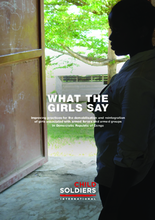
This guide is presented as a “toolbox” to help DDR actors respond to the needs of girls formerly associated with armed groups in eastern DRC, and to overcome the many obstacles to their release and reintegration, reported by some of the girls themselves.
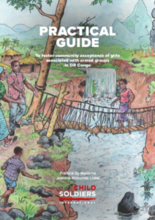
This report presents the findings of research conducted by Child Soldiers International to assess the effectiveness of release, psychosocial recovery and reintegration interventions for girls associated with armed groups in eastern Democratic Republic of Congo (DRC).