Image

Displaying 241 - 250 of 437
The objective of this study was to determine if the Power Through Choices (PTC) intervention can increase the use of birth control and reduce pregnancy among system-involved youths living in group care homes.
This in depth qualitative study of 10 youth who completed the My Life intervention focused on investigating coaching and mentoring elements and processes that youth participants identify as most important to their success, with the intention of informing the further development of youth-directed approaches to supporting young people who are transitioning to adulthood.
This bulletin draws from available literature and practice knowledge to summarize key issues related to providing effective services to support the stability and permanency of adoptions.
This brief documents the evaluation of an online training for Citizen Review Panel (CRP) members in one southeastern state in the United States.
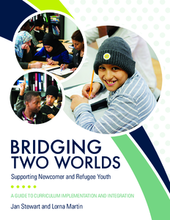
Bridging Two Worlds provides teachers, school administrators and counsellors in Canada with the knowledge and practical resources to deliver more informed and culturally responsive career development and guidance to newcomer and refugee youth from Kindergarten to Grade 12.
This article from the Child Law Practice Today July/August 2017 Issue on Kinship Care describes a national campaign launched by the Annie E. Casey Foundation, with other national stakeholders, to transform foster parenting by changing the way systems and communities partner with foster parents to help children stay safe, heal, and thrive in their own families and communities. The article highlights the considerations identified by kinship foster families as fundamental to feeling supported by child welfare systems and providing the best possible care.
This article from the Child Law Practice Today July/August 2017 Issue on Kinship Care summarizes seven steps to create a kin-first culture—one in which child welfare stakeholders consistently promote kinship placement, help children in foster care maintain connections with their families, and tailor services and supports to the needs of kinship foster families.
The purpose of this study was to assess the perspective of social service providers who participated in a nine-month, trauma-informed care (TIC) training intervention on 1) their capacity to make referrals to trauma-specific services following the training, and 2) factors external to the training intervention that supported or hindered their ability to link traumatized youth with services.
A First Nations child welfare organization has prioritized further understanding of reunification and parenting, including identification of successes and barriers to reunification, and service needs within communities. These priorities were addressed with a community-based participatory research model and guided by a Research Advisory.
This implementation guide lays out what New York City child welfare agencies and Rise together found effective in strengthening parent-child visiting by training frontline staff and providing more information to parents. The guide includes planning, training and evaluation resources so that other agencies can bring the TIPS approach into frontline practice.