Image
This page contains documents and other resources related to children's care in the Americas. Browse resources by region, country, or category.
Displaying 901 - 910 of 1438
This study examines a program (iHeLP) for substance use reduction in foster youth aging out of care.
This study explored stakeholder perceptions of barriers and facilitators to conversations about sexual health between foster/kinship caregivers and youth in foster care, with the goal of developing a brief, scalable sexual health training for caregivers.
This issue of the New Directions for Community Colleges journal is focused on higher education opportunities for foster youth.
This study examined communication between 51 transition-aged foster youth and their social workers as related to perceived relationship quality and satisfaction with care receipt/provision.
This brief presents key takeaway messages from a mixed methods study examining how substance use affects child welfare systems across the country.

This study utilizes self-report data from one kinship navigator federal demonstration project, which used a randomized control trial, to examine demographic characteristics for grandmothers under and over 55 years of age, whether grandmother caregivers (≥55 years) improve family resilience, social support, and caregiver self-efficacy, and which interventions improved outcomes for grandmothers (≥55 years).
This study examines the factors associated with guardianship breakdown for children who exited foster care to kinship guardianship in California between 2003 and 2010.
This chapter explores the factors that are hidden behind the disproportionate numbers and considers the mental health impact of child removal on Black children, youth, and families in Ontario.
This ethnographic study of a foster care adoption program shows how board payments elicit commodification anxiety at this local site, and in American culture more broadly.
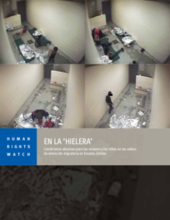
Este informe examina el cumplimiento por parte de las autoridades estadounidenses de las protecciones específicas que deben otorgarse a los niños, basándose en 110 entrevistas a niños y mujeres detenidas con sus hijos.