
Image

Displaying 681 - 690 of 790
This paper looks at how social protection is evolving in developing countries and how it relates to the vulnerabilities of children. It goes on to present the different conceptual models for protection and how they have changed and been influenced by the changing definition of poverty and the growth in transnational knowledge and policymaking.
This Prakas is intended to define roles and responsibilities of relevant competent agencies and establish procedures, operational guides, and forms to implement the Policy on Alternative Care for Children.
This document provides minimum standards and guidelines for service providers who work with orphans and vulnerable children (OVC) in Cambodia.
The study described in this report set out to identify and systematically learn about the functioning of existing community-based child protection mechanisms in Aceh, Indonesia.
This mapping and assessment reviews the framework for the child protection system in Timor-Leste, to consider whether the blueprint is designed with a clear vision and if the system is implementable and sustainable.
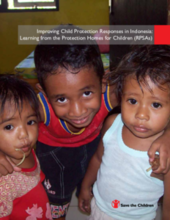
This report reviews the role and practice of State-established child protection residential institutions in Indonesia focused on providing services for children defined as being in need of special protection under the Child Protection law, in particular child victims of abuse, neglect or exploitation including victims of trafficking.
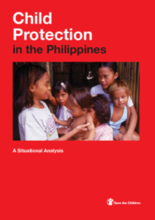
This situational analysis was commissioned by the Child Protection Initiative as a preliminary exercise to develop evidence-based recommendations to guide Save the Children in the Philippines to develop interventions. Priority areas are children in residential care, children in armed conflict and disasters, children in situations of migration (including for trafficking purposes), and children in exploitative and hazardous work conditions.
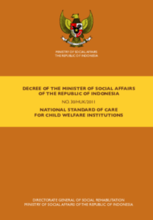
Indonesia’s National Standards of Care for Child Welfare Institutions is a crucial policy instrument, drafted in response to the recommendations of the United Nations Committee on the Rights of the Child, regulating the provision of alternative care for children.
This manual offers a training session targeted at policy makers, professionals and paraprofessionals who are already working on programs to support children without appropriate care, or who may begin work in this area. This workshop focuses on children in developing contexts, who require support within their families and those who need an alternative care placement.

"In Cambodia, as in other parts of the globe, orphanages are a booming business trading on guilt," writes Ian Birrell in this article for the Guardian that discusses the harms of orphanage tourism.