
Image

Displaying 451 - 460 of 768
In this article from the Guardian, Do Duy Vi, a former street child himself, shares how he he seeks out vulnerable young people in Vietnam’s capital in the hopes of offering them shelter and a new beginning.
Than Than Ei was just nine years old when she was sent to work for a family in Yangon, where she suffered years of physical and emotional abuse.

This article from the Guardian notes that UNICEF warns of voluntourism potentially moving into Myanmar.
This article examines the adjustments for policy, research and intervention in non-Western developing contexts. Particular attention is focused on the country of Vietnam, a Southeast Asian country, with a communist government and a rapidly developing economy.
The Global Alliance for Children (GAC) is seeking to hire a vibrant Senior Coordinator to lead GAC’s work with the Technical Working Group Implementation.
This chapter explores issues of children’s agency and participation in anti-trafficking interventions with children trafficked for exploitative labor in Vietnam.
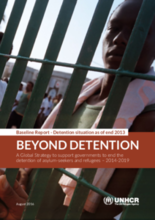
Global Strategy – Beyond Detention 2014-2019 is a document released by UNHCR, which aims to support governments to end the detention of asylum-seekers and refugees.
A video campaign on family based care that is being displayed in a major chain of cinemas in Indonesia. The video contains a message on the importance of family based care for children by representatives of all religious leaders and the Ministry of Social Affairs.

This article and video discuss how thousands of Australians consider visiting orphanages to be a popular activity to do on vacation. Vacationers will visit orphanages, meet children, and take photos. The visit usually ends with a request for donations. Some believe that they are positively contributing to improvement of these children’s lives.
This video highlights the importance of keeping children with families.
