
File
Displaying 21 - 30 of 4564
This policy brief highlights what it takes to build a world where every parent is equipped to protect their children and support their health, safety, and development. Drawing on global, regional, and humanitarian insights, it identifies key enablers and barriers to scale, including financing, system integration, contextual adaptation, and cross sector collaboration.
From the 9th to the 11th of June 2026, 975 participants from across the globe came together for the 2026 Annual Meeting for Child Protection in Humanitarian Action, hosted by the Alliance for Child Protection in Humanitarian Action. This report provides an overview of the meeting.
The Children and Youth Resource Hub is a searchable database that preserves publicly available U.S. government-funded resources on children in adversity and youth development.
This third webinar in the Caring for the Caregiver webinar series, held on 18 June 2026, focused on considerations for the future, including UNICEF implementation vision, policy maker evidence needs and ensuring equity in partnerships and a priority setting session.

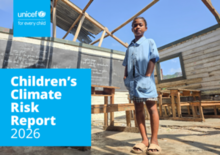
The Children’s Climate Risk Report provides the most comprehensive picture to date of the threat to children from the climate crisis and its impacts. In an unprecedented level of detail, it shows how children’s exposure to multiple, overlapping climate hazards, combined with their inherent physical vulnerabilities and gaps in the social services they rely on, undermines their rights and increases their risk of harm.
Building on a previous conversation exploring new research from The Two Lilies Fund and SAPPIN on workforce wellbeing in early childhood development (ECD) and care work, this second session turns toward solutions, practice, and change.
This chapter explores family strengthening as a preventive approach to promote child well-being and reduce the risk of family separation, outlining key service categories across primary, secondary, and tertiary prevention. It reviews existing evidence on such interventions, noting promising impacts on family well-being alongside significant gaps—especially in low- and middle-income contexts—and emphasizes the need for stronger workforce capacity and sustainable financing to scale effective services within government systems.
This webinar, hosted by ECDAN, explored how parent and caregiver support can be positioned at the heart of this agenda. Building on the momentum from Bogotá, the session focused on how partners working at the country level can support strong government pledges for the Second Ministerial Conference — including strengthening existing commitments, pledging new commitments, and increasing financing for parenting support.

The Second Global Ministerial Conference to End Violence Against Children, to be hosted by the Government of the Philippines in partnership with WHO and UNICEF on 18–19 November 2026, offers a new opportunity to build on this progress and translate commitments into action. This webinar will explore how parent and caregiver support can be positioned at the heart of this agenda.
This article highlights a warning from the UN Special Rapporteur on trafficking in persons about the growing risks of child trafficking among migrant, forcibly displaced, and stateless children.