
File
Displaying 2481 - 2490 of 4569
International actors and representatives from Armenia, Ghana, Moldova, and Uganda convened in London September 11-15 2017 to learn and share experiences to inform the alternative care reform process in the four countries.
During the launch of Malta's public consultation on standards of adoption, the Minister of Family Affairs announced that adoptive families will benefit from up to €10,000 and be partially refunded for travel expenses.
At convening of the Global First Ladies Alliance in New York, Rwanda's First Lady Jeannette Kagame shared the successes of Rwanda's care reform.
Inter-country adoption has been reinstated in Rwanda after government updated structures and mechanisms required under the Hague Convention.
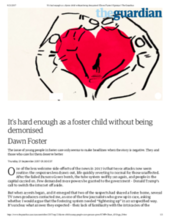
Negative headlines about children in foster care and those who care for them are only further victimizing already vulnerable children.
This video from ReThink Orphanages illustrates how orphanage tourism perpetuates the continued institutionalization and exploitation of children.
The Government of Sri Lanka has announced an inquiry into adoption fraud following claims that thousands of babies were taken from their mothers and sold to foreign nationals in the 1980s.
Save the Children offers six tips on how to volunteer ethically overseas.
The purpose of this article is to explore how child sexual abuse (CSA) prevention opportunities can include parents in new and innovative ways.
This Australia-based company made parental leave more flexible for mothers, fathers, and foster and kinship carers.