
File

Displaying 661 - 670 of 1343
The report compiles information from a series of global research papers commissioned by Know Violence, presenting the scale and scope of childhood violence globally. Examples of preventative efforts from governments, communities, and organizations are provided to illustrate the feasibility of preventing violence on local and national levels.
This video from ReThink Orphanages illustrates how orphanage tourism perpetuates the continued institutionalization and exploitation of children.
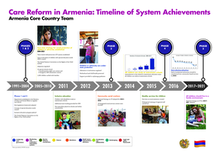
This infographic provides a historical timeline of the alternative care reform process in Armenia, marking key achievements in the establishment of policies, strategies, guidelines, procedures, and programs to improve the quality of care and protection for children without adequate family care.
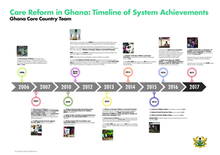
This infographic provides a historical timeline of the alternative care reform process in Ghana, marking key achievements in the establishment of policies, guidelines, procedures, and programs to improve the quality of care and protection for children without adequate family care.
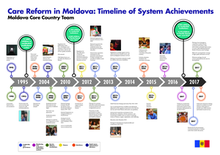
This infographic provides a historical timeline of the alternative care reform process in Moldova, marking key achievements in the establishment of policies, guidelines, procedures, and programs to improve the quality of care and protection for children without adequate family care.
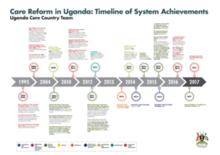
This infographic provides a historical timeline of the alternative care reform process in Uganda, marking key achievements in the establishment of policies, guidelines, procedures, and programs to improve the quality of care and protection for children without adequate family care.
This presentation delivered by Dr. Kristen Cheney describes her research findings on the "Orphan Industrial Complex," which suggest that orphan tourism, orphanage volunteering, and donor support for orphanages are the primary drivers of the unnecessary separation of children from their families and the harmful institutionalization of children.
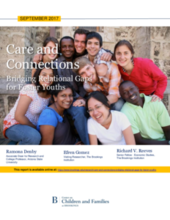
This report explores the challenges of implementing and evaluating relationship-based interventions for young people with experience in the U.S. foster care system and presents recommendations for both practitioners and researchers for successful implementation and evaluation in the future.
This study investigated Portuguese adolescent adoptees' perceptions of their attachment relationships with their adopted parents compared to adolescents living with biological parents and adolescents living in residential care.
This study utilized data from the Fragile Families and Child Wellbeing Study to examine how kinship care affects maternal stress and parenting practices in racial/ethnic and immigrant families in the United States.