File
Displaying 1411 - 1420 of 4505
This How We Care series explores how Family for Every Child's Members are providing essential psychosocial support to vulnerable children and families within the context of the pandemic.
In this article, the authors outline some of the issues in the implementation and understanding of the Convention and highlight three major international developments over the last decade: the adoption of General Comment No 13, the work of the Special Representative of the Secretary General on Violence Against Children, and the adoption of the 2030 Agenda for Sustainable Development by the UN General Assembly in 2005.
This editorial piece from The Lancet Child & Adolescent Health urges that the "far-reaching consequences [of the COVID-19 crisis] call for children and their right to health, education, and protection to be prioritised in the pandemic response and recovery planning."
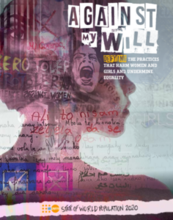
This report from UNFPA explores harmful practices affecting women and girls around the world, focusing on three particular practices: female genital mutilation (FGM), child marriage, and son preference.
In this webinar, hosted by Early Childhood Development Network, UNICEF, and the Khan Foundation, panelists discuss programs to support parents and caregivers during the COVID-19 crisis.
This 90-minute webinar will highlight how two models for supporting parents and caregivers so they can help their young children survive and thrive – (1) Care for Child Development and (2) REACH UP and Learn - have been adapted and implemented in various contexts around the world.
Join this webinar and discussion on Family Strengthening in the time of Covid-19: Programmatic Adaptations to Support Families in Need. This webinar will include presentations on program adaptations from Family Strengthening Task Force member organisations and open discussion on challenges and best practices.
Keeping Children Safe is organising free online webinars on the subject of Child Safeguarding and COVID-19 – available wherever you are in the world.
The Guest Editors of this special issue welcome empirical and theoretically-informed contributions that adopt local and global perspectives and investigate the conceptual and practical implications of adoption and appropriation experiences.
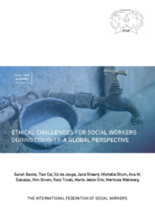
This report summarises the findings of an international study of the ethical challenges faced by social workers during the Covid-19 pandemic, undertaken during 6th-18th May 2020.