Image
Displaying 31 - 40 of 431
The Kafaalah Costing Tool Template is an Excel-based costing tool that designed to analyze of historical costing data from Changing the Way We Care’s demonstration work in Kenya related to Kafaalah.
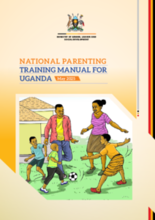
Uganda’s first mapping study on parenting interventions (2020–2021) highlighted the need for evidence-based approaches and clear delivery guidelines to strengthen parenting programming. In response, the Ministry of Gender, Labour and Social Development developed a parenting manual to harmonize stakeholders’ efforts, streamline programming, and strengthen families nationwide.
This paper explores strategies to prevent the separation of children from their families, drawing on evidence from Eastern and Southern Africa. It highlights the importance of strong care systems, holistic family support, and coordinated services to keep children safely within their families and communities.
Supervised independent living involves a child or young person living without an adult but receiving regular supervision, guidance, mentoring and monitoring from an assigned adult mentor. This case study explores lessons learned from three non-governmental organisation (NGO) programmes in Uganda.
Over the past decade, Rwanda has reformed its care system to prioritize family-based care, with recent efforts focusing on supporting children with disabilities through a multi-sector, community-based approach. This short case study explains why this integrated model is important to prevent family separation, outlines the key components of this approach, and provides some lessons learnt from the pilot.
This video describes lessons learnt from the use of supervised independent living in Uganda for adolescents and young adult care leavers.
This report synthesizes learning on community-led child protection in Sierra Leone, Kenya, and India. It shows the power of communities' own agency and action on behalf of children and underscores the importance of ownership.
This document presents a comprehensive report on a pilot project in Kenya that tested the Social Cohesion for Disability Inclusion Approach as part of the Changing the Way We Care℠ initiative. The report details the implementation process, participant feedback, and measurable shifts in knowledge, attitudes, and behaviors among caregivers and community members, highlighting increased empathy, inclusion, and advocacy.
The Teenage Mother project is an intervention model to support teen mothers, developed by Hope and Homes for Children (HHC) in Rwanda. The documents provides an in-depth analysis of the challenges faced by teen mothers, the prioritization of causal factors, and the implementation of the Active Family Support (AFS) model to address these challenges.
The Kusamala+ Stigma Reduction Toolkit is the product of a 10-year community based program in Zambia to reduce stigma for children with disabilities living in family-based care in low-income compounds and improve family quality of life