Image
This page contains documents and other resources related to children's care in the Americas. Browse resources by region, country, or category.
Displaying 321 - 330 of 566
Este informe se detalla la propuesta metodológica para otorgar espacios seguros para que los servidores públicos que han atendido a los damnificados por una tragedia en Guatemala puedan descargarse emocionalmente y poner en práctica técnicas de autocuido.
This publication outlines five clear steps that child welfare agency leaders in the United States can take to build and maintain a strong, stable frontline workforce.

The 2018 Home Visiting Yearbook uses 2017 data to present the most up-to-date look at home visiting on the US national and state levels.
This factsheet for families offers tips for helping a child transition from foster care to adoption.
This bulletin for professionals explores concurrent planning, which is an approach that seeks to reduce the amount of time children spend in foster care by considering all reasonable permanency options the moment a child enters the system.
This article explores current child protection services and programs in the United States and offers suggestions for development of new child protection programming to further meet the needs of vulnerable children.
This exploratory paper’s purpose is to determine the effect of demographic, risk, and protective factors on social-emotional development, as measured by the Ages and Stages Questionnaire Social Emotional (ASQ:SE), in children age 8 months to 5 years in out-of-home care in Ontario, Canada.
This report from the Annie E. Casey Foundation reminds policymakers and child advocates in the US of the barriers that young families face. It examines national and state-level trends — highlighting areas of opportunity and concern — and then shares potential solutions that can help these families thrive.
Because foster parents play a critical role in supporting children in foster care, who often have experienced trauma, the Casey Foundation developed ARC Reflections, a nine-session program that child welfare agencies can use to train foster parents to better care for children who have had traumatic experiences.
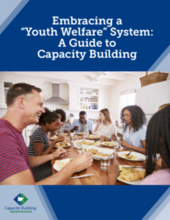
This resource from the Capacity Building Center for States in the U.S. provides guidance on adapting child welfare services to better meet the needs of youth (ages 15 to 24) in care.