Image
Displaying 61 - 70 of 431
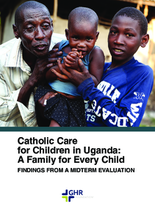
The goals of Catholic Care for Children in Uganda (CCCU) are to enable children to grow up in safe environments, reduce recourse to institutional care, and encourage family- and community-based care for children. This midterm evaluation examines what has been accomplished in the four years since the program began.
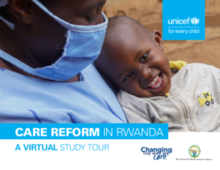
This virtual study tour aims to provide you with a strong understanding of care reform in Rwanda
from the comfort of your own home.
This participant’s handbook relates to Module 3 of the Government of Rwanda’s Tubarerere Mu Muryango (TMM) training programme. It is for Child Protection and Welfare Officers who work directly with children and families on reintegration of children, including children with disabilities from residential institutions.
This training package is primarily for Government of Rwanda’s Child Protection and Welfare Officers who work directly with children and families on reintegration of children (including children with disabilities) from residential institutions.
This operational guidance describes how the Government of Rwanda conducts case management for reintegration of children from residential institutions to family-based care, including children with disabilities.
In this How We Care series, Family for Every Child presents the programming of three CSOs on how they are supporting kin carers and the vulnerable children in their care, in their respective regions.
The overall aim of the training programme is t
This webinar heard from three of Family for Every Child's member organisations about their programmes to both integrate and reintegrate children on the move.
This paper assesses the impact of Ethiopia's flagship social protection program, the Productive Safety Net Program on the adverse impacts of the COVID-19 pandemic on the food and nutrition security of households, mothers, and children.
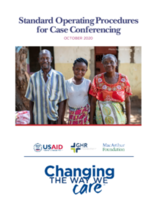
The purpose of this Standard Operating Procedure (SOP) is to provide a standard and consistent approach to case conferencing as part of a comprehensive case management approach utilized during decision-making processes for children. The SOPs should be utilized by institutions (e.g. Charitable Children’s Institutions, or CCIs) and organizations as well as other actors engaged in decision-making around children’s care and protection.