Image

Displaying 11 - 20 of 586
This study examines challenges that hinder social workers in South Africa from providing effective family reunification services, resulting in children staying in alternative care longer than necessary. Findings from a mixed-methods study suggest that providing resources, reducing caseloads, supervising and training social workers, and adhering to reunification principles are key measures to ensure holistic and timely family reunification.
This technical brief examines how public health emergencies in Eastern and Southern Africa—such as polio, cholera, Ebola, Marburg, and mpox—disrupt protective environments and increase risks of violence, exploitation, and neglect for children, including those without parental care. Drawing on lessons from multiple countries, it highlights scalable approaches to embed child protection in health responses and calls for coordinated frameworks that ensure care continuity and resilience during future crises.
This review explores South Africa’s foster care grant system, highlighting how rising numbers of children in foster care have strained social workers and overwhelmed the system. It examines challenges such as lapsing foster care orders, dependency concerns, and unsustainable practices, while offering recommendations to strengthen the system and better support children and families.
This paper reviews the challenges faced by unaccompanied and separated migrant children (USMC) in South Africa and the implications for social work practice. It highlights how social workers often lack adequate training and resources to meet the complex, multicultural needs of USMC, emphasizing cross-cultural social work as the most appropriate model for support.
This study examined the short-term impacts of COVID-19-related orphanhood on children and adolescents in peri-urban Khayelitsha, South Africa, finding that those who lost a parent or primary caregiver experienced significantly greater mental health burdens, food insecurity, caregiving responsibilities, and engagement in social risk behaviours compared to peers without such loss.
This paper examines the benefits of foster care by exploring the experiences of foster care leavers and the perspectives of social workers in Tshwane District Municipality, Gauteng Province, South Africa. The findings highlight that foster care placements provide foster care leavers with essential support, including basic necessities, a family-like environment, improved relationships, independence, recreational opportunities, poverty reduction, therapeutic support, and educational benefits.
This study explores the experiences and challenges of caregivers providing trauma-informed care to foster children in a South African care facility. Findings highlight the emotional and practical difficulties faced by caregivers and emphasize the need for targeted training and support to strengthen their capacity and well-being.

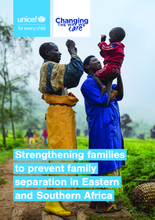
This paper explores strategies to prevent the separation of children from their families, drawing on evidence from Eastern and Southern Africa. It highlights the importance of strong care systems, holistic family support, and coordinated services to keep children safely within their families and communities.
This study explores the policy environment for children cared for by grandparents in Libode, Eastern Cape, South Africa, finding no specific policies to guide or support such caregiving. It recommends developing dedicated policies, resources, and information to better equip grandparents, while contributing new insights to scholarship and informing policymakers.
This article uses Nancy Fraser’s social justice framework to examine the experiences of youth leaving care in Ghana, South Africa, Uganda, and Zimbabwe, drawing on interviews with 45 care-leavers conducted by peer researchers. Findings reveal how intersecting injustices—such as stigma, exclusion, and lack of resources—undermine their transition to adulthood, underscoring the need for stronger aftercare services, recognition of diverse identities, and greater youth participation in shaping policy and support.