Image

Displaying 121 - 130 of 330
The present study aims to explore the specific influence of migrant mothers on early child development, especially on social-emotional problems.
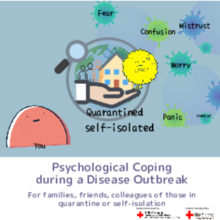
This document features mental health and psychosocial support messages developed by Hong Kong Red Cross for families, friends, colleagues of those in quarantine or self-isolation.
This guide from UNICEF East Asia and Pacific Region provides guidance on preparing for, and responding to child protection needs during the COVID-19 crisis.
This resource outlines the gender impacts of the COVID-19 crisis, including the greater risk of exploitation and violence for women and children, as well as some recommendations for mitigating and responding to these challenges.
This study aimed to examine the risk factors that lead residential care youths in Japan to drop out of high school.
This study examined the moderating effect of maternal parenting self-efficacy on the relationship between mothers’ childhood abuse experience and their abuse of their children with intellectual and developmental disabilities (IDDs).
The purpose of this paper is to clarify the process of going to college and subsequent college life of those who have experiences of entering Child Care Institutions (CCI) in Japan and to discuss higher education policies concerning ‘child poverty’ based on the results.
The purpose of this study was to investigate the direct effect of perceived social support and the mediation role of resilience on left-behind children’s mental well-being.
This study aims to develop a Korean out-of-home care satisfaction scale based on questions from the Foster Care Improvements Project.
This study aimed to develop a Korean out-of-home care satisfaction scale. The study sample consisted of 484 children from institutional care, group homes, and foster homes in Korea.