
File
Displaying 3711 - 3720 of 4554
This article explores what Judaism’s communal orientation means for the protection of children.
This statement of policy of by American Orthopsychiatric Association reviews the evidence on the use of congregate or group care for children and adolescents and concludes that institutional care is nonoptimal for children of all ages, including teenagers, and that even smaller group care settings can be detrimental to the growth and well-being of youth.
The second annual edition of the World Family Map investigates how family characteristics affect children’s healthy development around the globe and includes a new essay focusing on union stability and early childhood health in developing countries.
This report highlights the needs of children without adequate family care, the impact inadequate care on children and society, and why family care is important. In this report, Family for Every Child also issues several recommendations for those in all sectors of society and an example of care reform from Brazil.
This article specifically focuses on kafalah as an alternative care option for children deprived of a family environment in comparison with other forms of alternative childcare.
This article provides examples from the Christian Bible to suggest that Christianity offers many principles and mandates that promote Christians to protect and nurture children.
This article introduces the series of articles in this issue of the Child Abuse and Neglect Journal which focus on the role of religion and religious communities on children’s care and protection.
This article discusses the challenges in research and practice that have grown out of the evolution of volunteer tourism.
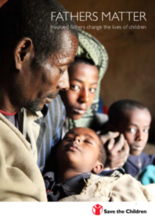
This leaflet is a mapping of Save the children’s role and work in promoting the engagement of fathers. It presents some of the evidence of the benefits of involving fathers and some of the strategies used by the organization and others.
This article is primarily aimed at providing a foundation for analyzing both the challenges and opportunities of partnering with religious communities and organizations in addressing child abuse and neglect.