
Image

Displaying 101 - 110 of 781
In this episode Amanda Griffith of Family for Every Child is joined by representatives of three member organisations who are working to support children's mental health and wellbeing across three continents.

The long-term consequences of COVID-19 have been tough for children around the world, but even more so for young children already in humanitarian crises, whether due to conflict, natural disasters, or economic and political upheaval. Drawing on research and voices from the Global South, this book showcases innovations to mobilize new funds and reallocate existing resources to protect children during the pandemic.

On a hot summer day in June 2010, two Indian children upset with their parents for hitting them left home. The siblings - 11-year-old Rakhi and seven-year-old Bablu - planned to go to their maternal grandparents who lived just a kilometre away. But a few wrong turns and they were lost.
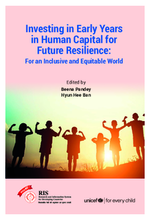
This book focuses on the urgent need for global investments in young children for realizing sustainable development and equitable outcomes for all. Access to services and participation, equity and inclusion are key drivers to realize the rights of the child.
This chapter highlights the need for social protection and welfare benefits to be portable with the ability for migrants families to access entitlements as they move between locations. This chapter focuses on how this is implemented in India's labour economy.
This article uses the lens of childhood history to shed light on some of the intricacies of the attempts to regulate child labor in Iran and to analyze Western observers’ views on this issue.
NGO says West Bengal should take the initiative and provide support to the children and their families who were rescued as bonded labourers
This is a corporal punishment country report for Afghanistan. In Afghanistan, the Law on Protection of Child Rights 2019 prohibits corporal punishment in alternative care settings and in penal institutions.
Police start to interview witnesses following Guardian reports on adoptions to the Netherlands nearly 50 years ago
Women living in camps for refugees of Bangladesh’s war of independence were told a local care home would look after their children. Decades on, many are still searching for them.