Image

Displaying 161 - 170 of 653
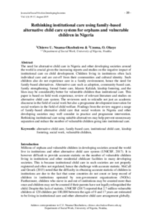
This paper is based on field work experience, review of relevant literature and studies on alternative child care system in Nigeria.
This study aims to explore the experiences of carers of children with cerebral palsy living in rural areas of Ghana who have received no rehabilitation services.
This country care review includes the care-related Concluding Observations adopted by the Committee on the Rights of the Child.
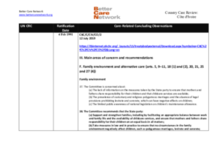
This country care review includes the care-related Concluding Observations adopted by the Committee on the Rights of the Child.
This small pilot project was conducted to start to understand and compare the situation of grandmothers caring for children in a diverse range of countries when their parents are in prison.
"The Lagos State Government has empowered another 200 household heads of orphans and vulnerable children with economic strengthening tools," says this article from PM News Nigeria.
"Amid concerns that orphanage operators are getting up to unwholesome practices with their charges, the authorities have removed 19 inmates of a child-care facility in [ Abuja]," according to this article from the Nation.
This study reports on a qualitative investigation involving 15 young kinship care alumni in Ghana to explore what kinship caregivers' unpreparedness means and what causes them to be unprepared.
This country care review includes the care related Concluding Observations adopted by the Committee on the Rights of the Child and the Committee on the Rights of Persons with Disabilities as part of its examination of Niger's initial reports, as well as other care-related concluding observations, ratification dates, and links to the Universal Periodic Review.
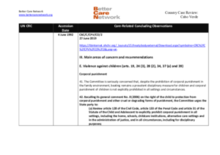
This country care review includes the care-related Concluding Observations adopted by the Committee on the Rights of the Child and the Committee on the Rights of Persons with Disabilities.