Image
This page contains documents and other resources related to children's care in the Americas. Browse resources by region, country, or category.
Displaying 61 - 70 of 3246
This study examines how the introduction of a conditional cash transfer program in Peru affects parental discipline practices. It finds that in districts receiving the program, reports of physical punishment by mothers and fathers among low-income families decrease by at least 2.7 percentage points (11%), suggesting the program may provide additional benefits by reducing harsh disciplinary practices.
The 1989 Convention on the Rights of the Child (CRC) affirms the importance of family, culture, and community in children’s lives and obligates governments to support families and protect children from discrimination, violence, and exploitation, yet many countries still lack policies that require a child-rights approach, prioritize best interests in decision-making, or prohibit corporal punishment. This article critically examines how effectively Australia, Canada, and the United States have implemented key CRC principles—particularly best interests and corporal punishment—by comparing their child protection policies, legislation, and practices to assess the Convention’s influence and its potential to drive broader system reform.
This article reports on the introduction of the Global Child Thrive Reauthorization Act of 2025, a bipartisan bill in the U.S. Congress designed to expand and deepen early childhood development efforts in some of the world’s poorest countries.
This report summarizes a regional consultation convened by UNICEF and Pan American Health Organization to strengthen efforts to prevent and address violence against children in Latin America and the Caribbean. It highlights existing evidence, policy frameworks, and good practices from participating countries to support more coordinated and effective responses to violence against children.

This article critically analyzes the complex journey undertaken by foster families who decide to adopt the children or adolescents they initially cared for on a temporary basis. Through the study of four cases, it examines the experiences and perspectives of Chilean families who chose to transform their role from foster care to adoption, presenting narratives that highlight the controversies, inconsistencies, and tensions between the logics of temporary and permanent care within the Chilean child protection system.

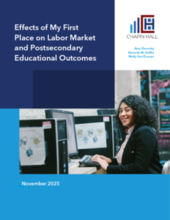
The Chapin Hall report evaluates the My First Place program, which provides intensive case management and fully subsidized housing to young people aging out of extended foster care in six California counties. Using data on 2,598 participants, the report finds that program completers were more likely to be employed, earned higher wages, and were more likely to enroll in and complete a semester of college compared with nonparticipants or those who did not complete the program.
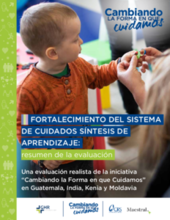
Cambiar la Forma en que Cuidamos (CTWWC, por sus siglas en inglés) es una iniciativa global que promueve un cuidado familiar seguro y afectuoso para los niños.
The article describes how hundreds of children across the United States have been left behind — in foster care, with relatives, or neighbors — after their Venezuelan parents were deported, often under sweeping immigration enforcement measures.
This article highlights the experiences of Greenlandic families in Denmark whose children were taken into care following parental competency tests (FKUs), which critics say are culturally biased, conducted in Danish rather than Kalaallisut, and fa
This scoping review examined the scientific literature on youth aging out of substitute care in Canada to address challenges in estimating the country’s contribution to this growing global research field. The review identified key trends, research gaps, and future directions, emphasizing the need to better integrate existing findings to build a more cohesive Canadian evidence base.