Image

Displaying 641 - 650 of 1097
This video from BBC News features Russian writer Tamara Cheremnova who was born with Cerebral Palsy and placed in an orphanage as a child.
Keystone Human Services International seeks a Grants Manager for the upcoming USAID-funded “Copilaria Mea” project.
Keystone Human Services International seeks a Chief of Party (COP) for the upcoming USAID-funded “Copilaria Mea” project. The goal of “Copilaria Mea” is to increase the number of children living within appropriate, permanent, and protective family care and reduce the number of children growing up in institutional care and ensure the necessary legal and social conditions for raising and educating children in the family environment.
Keystone Human Services International seeks a Deputy Chief of Party for the upcoming USAID-funded “Copilaria Mea” project. The goal of “Copilaria Mea” is to increase the number of children living within appropriate, permanent, and protective family care and reduce the number of children growing up in institutional care and ensure the necessary legal and social conditions for raising and educating children in the family environment.
Завершується 1 етап реформи ДІ. Тому хочемо поділитися з вами основними здобутками реформи в цілому, реалізації ДІ в Житомирській області та здобутках інклюзивної освіти в Україні.
The aim of this study is to examine associations between signs of reactive attachment disorder (RAD) and disinhibited social engagement disorder (DSED) and social functioning in children with a history of institutional rearing in early adolescence.
The alternative care for children newsletter provides updates following assessment workshops on care reform that were conducted in Armenia, Ghana, Moldova, and Uganda.
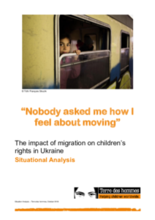
The present research looks at the main migration patterns and trends of internal and outward migration from Ukraine trying to assess the push and pull factors for regular and irregular migration which affect children.
According to some estimates, a third of the adult Moldovan population is working abroad, often ‘leaving behind’ children in the care of relatives, neighbours or in orphanages. This paper from the Journal of European Studies investigates how such high migration rates affect Moldovan family life and personal definitions of identity and success.
This country care review includes the care-related Concluding Observations adopted by the Committee on the Rights of the Child and the Committee on the Rights of Persons with Disabilities.