Image

Displaying 51 - 60 of 387
This is the first regional mapping of activists with care experience in Latin America and the Caribbean.
JUAREZ, Mexico (Border Report) – Juarez authorities late Monday bused dozens of Venezuelan migrants expelled from the United States to an emergency shelter – a move to prevent single adults and families with children from sleeping on the streets again.
Este estudio de caso destaca la transición de servicios de cuidado residencial a los basados en la familia y comunidad, realizado por las Hermanas de Nuestra Señora de la Caridad del Buen Pastor, en Tijuana B.C., México.
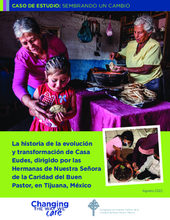
This case study highlights the transition of the Sisters of Our Lady of Charity of the Good Shepherd in Tijuana. It presents the highs and lows that come with a change process of moving from residential care to community-based services focused on family strengthening.

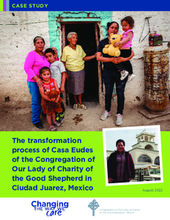
Este estudio de caso destaca la transición de servicios de cuidado residencial a los basados en la familia y comunidad las realizado por las Hermanas de Nuestra Señora de la Caridad del Buen Pastor, en Ciudad Juárez, México.
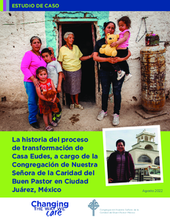
This case study highlights the transition of the Sisters of Our Lady of Charity of the Good Shepherd in Ciudad Juarez. It is an honest look at the emotional, logistical, and practical elements involved in transitioning from a residential care model which existed for more than 100 years to a provider of community-based and family-centered services.
This has been the deadliest year ever for migrants trying to cross the U.S.-Mexico border. More than 800 migrants have died border-wide in the fiscal year that ends this week, according to internal government figures shared by a senior Border Patrol official.
Este documento está diseñado para orientar a las personas u organizaciones que están apoyando un proceso de transición para pasar de proporcionar atención residencial a un modelo que promueva la atención familiar y comunitaria. El documento está diseñado en torno a las Fases de la Transición de Better Care Network. Se basa en el trabajo que Changing the Way We Care ha realizado en los últimos años para apoyar a diferentes proveedores de atención residencial, tanto religiosos como laicos, en su propio proceso de transición. Hay ejemplos y enlaces a herramientas relevantes, mensajes y actividades sugeridas que pueden utilizarse para apoyar las diferentes fases del proceso.
This case story is meant to illustrate transition, the actors involved, the challenges and the success factors; recognizing that each transition is an individual process with different starting points, different dynamics and different evolutions. Story International’s transition example demonstrates the ups and downs of divesting from the orphanage model.