Image
Displaying 1 - 10 of 1146
This study of homeless former foster youth in California highlights the complex and often contradictory nature of their foster care experiences, with some reporting belonging and identity support alongside loneliness, unmet needs, discrimination, and abuse. The findings underscore the importance of centering youth perspectives to better inform child welfare services and prevent homelessness among care leavers.
This article examines how child protection systems continue to reflect colonial power by disproportionately intervening in Indigenous families and undermining cultural practices and kinship systems. It highlights growing Indigenous-led movements to reclaim authority over child welfare, emphasizing self-determination and the rebuilding of care systems grounded in Indigenous laws, values, and relationships.
Since taking office in 2025, the second Donald Trump administration significantly expanded immigration enforcement while weakening safeguards for due process, family unity, and parental rights, resulting in record detention levels and widespread impacts on immigrant families. This research by Women’s Refugee Commission and Physicians for Human Rights found that many deported parents were denied the opportunity to make arrangements for their children, leading to increased family separations that may become long-term or permanent.

This historical overview documents milestones in the evolution of the U.S. government’s work to support the development, care, and protection of children globally, as well as coordination efforts across the U.S. government to promote a holistic response to the needs of vulnerable children. It draws on a review of publicly available documentation and conversations with numerous United States Agency for International Development (USAID) staff and partners involved in work on behalf of highly vulnerable children over more than three decades.
This report contains the findings from a nationally representative study conducted in 2025 by Barna Group of U.S. Christians to better understand U.S. Christian beliefs around and support for orphanages, children’s homes and other forms of residential care for children.
This review examines research on how the COVID-19 pandemic affected older youth with foster care experience in the United States, finding that most studies were descriptive and highlighted major disruptions in areas like housing, education, employment, mental health, and relationships. It shows that certain groups—such as youth of color, LGBTQ youth, and females—were especially impacted, and calls for stronger support systems and policies to better protect foster youth in future crises.
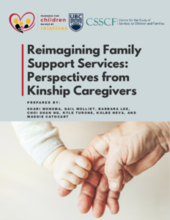
This report presents findings from a 2022 consultation with kinship caregivers across British Columbia, highlighting their experiences navigating children and family services. Analysis revealed the need for recognition and respect for kinship families, improved access to consistent and equitable supports, trauma-informed and culturally grounded practices, and stronger collaboration with service providers, with caregivers’ calls for action emphasizing system improvements to sustain caregiving and promote children’s well-being.
The 1989 Convention on the Rights of the Child (CRC) affirms the importance of family, culture, and community in children’s lives and obligates governments to support families and protect children from discrimination, violence, and exploitation, yet many countries still lack policies that require a child-rights approach, prioritize best interests in decision-making, or prohibit corporal punishment. This article critically examines how effectively Australia, Canada, and the United States have implemented key CRC principles—particularly best interests and corporal punishment—by comparing their child protection policies, legislation, and practices to assess the Convention’s influence and its potential to drive broader system reform.
This scoping review examined the scientific literature on youth aging out of substitute care in Canada to address challenges in estimating the country’s contribution to this growing global research field. The review identified key trends, research gaps, and future directions, emphasizing the need to better integrate existing findings to build a more cohesive Canadian evidence base.
Building on a presentation invited for a Kilbrandon Children’s Research webinar on media representations of children and young people in the care and criminal justice system, this article discusses the legacies of Canadian ‘care’ practices premised on violent assimilation and erasure.