
Image
Displaying 381 - 390 of 1146
The current study begins to address a gap in the literature by examining the association of income instability and child maltreatment in a sample of low-income families deflected from Child Protective Services.

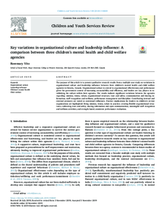
The purpose of this article is to present qualitative research results from a multiple case study on variations in organizational culture and leadership influence between three children’s mental health and child welfare agencies in Ontario, Canada.
This study examined family- and state child welfare system predictors of successful reunification in the United States, or reunification with no reentries into foster care.
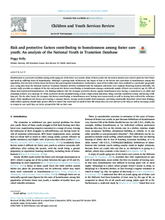
Using data from the U.S. National Youth in Transition Database (NYTD), combined with the Adoption and Foster Care Analysis Reporting System (AFCARS), the present study provides an analysis of the risk and protective factors contributing to homelessness among a nationwide sample of foster care youth at age 21, 29% of whom had experienced homelessness.
The objective of this study was to examine the utility of child protective services data in identifying predictors of placement disruption.
This research examined the impact of individual and relational characteristics of foster parents on permanency outcomes for children in care.
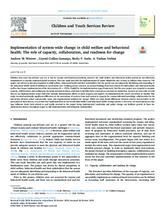
Children who enter out-of-home care are at risk for trauma and behavioral problems, however the child welfare and behavioral health systems do not effectively communicate to provide evidenced-based treatment. This case study describes a project that addressed these concerns.
The purpose of this study was to examine factors related to unintentional child injury requiring medical attention, including child welfare placement type, child behavioral problems, caregiver characteristics, and neighborhood factors.
This chapter from the book Education in Out-of-Home Care describes trends in the secondary and postsecondary educational attainment of care-experienced young people in the California Youth Transitions to Adulthood Study (CalYOUTH), support they received to pursue their education, and the obstacles they have encountered along the way.
This Chapter from the book Education in Out-of-Home Care reviews research and promising programs in the U.S. affecting the educational success of children in foster care.