
Image
Displaying 641 - 650 of 1146
The present study explores child welfare workers’ perspectives on collaboration challenges specific to child welfare cases that also involve intimate partner violence (IPV).
This article explains how the US child welfare system intervenes in cases of child abuse and neglect, including how cases are reported, how Child Protective Services (CPS) assesses the risk, how CPS determines when in-home services are appropriate or if a child should be removed from the home, how ongoing cases are managed, and the options for permanency for children in the system.
Using linked population based data from the Manitoba Population Research Data Repository, children in the custody of CFS who turned 18 during a 10 year study period were compared to children not in custody.
The present longitudinal study explored the impact of initial emergency shelter placement on long-term externalizing behavior (i.e., aggression, delinquency) and internalizing symptom (i.e., anxiety, depression) trajectories, and whether kinship involvement moderated the effect of shelter placement on behavioral outcomes.
This study reviews a series of interrelated studies on the development of children residing in institutions (i.e., orphanages) in the Russian Federation or placed with families in the USA and the Russian Federation.
The current study examined school readiness for children placed in care of child protection services before age 5. This association was assessed using a population-based cohort of children born in Manitoba, Canada, between 2000 and 2009.
This study examines family structures and children's perceptions regarding family connectedness and perceived life satisfaction (LS) using a nationally representative U.S. sample of 926 students in grades 7–10.
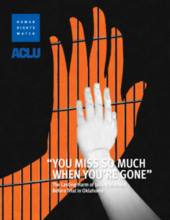
Drawing from more than 160 interviews with jailed and formerly jailed mothers, substitute caregivers, children, attorneys, service providers, advocates, jail officials, and child welfare employees, this report shows how pretrial detention can snowball into neverending family separation.
The objective of this study was to determine Families First Home Visiting Program (FFHV)’s effectiveness at improving outcomes for First Nations children and parents.
This study linked Child and Family Services (CFS), Justice, and Population Health Registry data to quantify the overlap between having a history of CFS during childhood (0-17 years) and being charged with a crime as a youth (12-17 years).