Image
Displaying 11 - 20 of 488
This article examines the socialization and education of orphaned children in Ukraine amid the war, highlighting the psychological trauma, deprivation, and social challenges they face. It calls for reforms in caregiver training, trauma-informed education, and the adoption of a personal paradigm approach that supports each child’s development, resilience, and self-realization.
The report is an attempt to capture the complex and difficult situation faced by unaccompanied children seeking international protection at the Polish-Belarusian border. It describes the legal and factual state of affairs in 2024.
The Ministry of Education, Youth and Sports (MoEYS) and the UNICEF Refugee Response Office in the Czech Republic commissioned this report to assess the situation of refugee children in alternative care. While examining the broader system and identifying how this system can be improved, the analysis pays particular attention to the needs of refugee children from Ukraine following the significant increase in refugee arrivals since 2022.
This response report provides an overview of child protection concerns in Ukraine. The war in Ukraine has deeply fractured the primary protective environment for children—the family. Mass displacement has separated millions of children from parents, siblings, and extended relatives, while indiscriminate attacks continue to kill and injure children at alarming rates.
This study compares residential childcare workforce practices across programs in Poland, Spain, and the United States, examining recruitment, training, supervision, and performance monitoring. Findings reveal both shared priorities, such as upholding children’s dignity, and region-specific differences that suggest potential solutions and highlight the value of international collaboration to strengthen training standards.
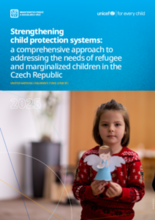
This assessment examined how the child protection system supports children and families in vulnerable situations, with a particular focus on supporting the significant number of refugee children from Ukraine who have come to the Czech Republic since the start of the war in Ukraine in February 2022.
This study by the Childhood 2025 Coalition highlights ongoing challenges in Bulgaria’s child protection system, particularly the lack of preparation and coordination during child–parent separation, which heightens stress for families and strains relationships with social workers. It calls for updated case management methodologies and stronger collaboration among child protection authorities, social services, and other actors to better support children and prevent unnecessary family separation.
This article investigates the image of an ideal foster grandparent as constructed by social workers, drawing upon 24 in-depth interviews with practitioners from foster care agencies in the Czech Republic.
This book provides a comprehensive examination of how child-protection systems are structured, governed, and implemented across different legal and social contexts. The book explores the theoretical foundations of child protection, comparative legal frameworks, institutional responsibilities, and the practical challenges of safeguarding children’s rights, with particular attention to European developments.

This country care profile provides an overview of key lessons learned in the children’s care reform process in Moldova, including successes, challenges and areas for progress, and gaps in learning and best practice.