Image
This page contains documents and other resources related to children's care in Europe. Browse resources by region, country, or category.
Displaying 121 - 130 of 3601
This study examines how care home staff and managers in the UK perceive and respond to children going missing from care, identifying key factors such as communication, relationships, and organizational support that influence prevention and response. Findings highlight the importance of trauma-informed, child-centred, and collaborative approaches, while noting barriers like resource constraints and inconsistent practices, and offer recommendations to improve safeguarding and outcomes.
Child participation in decisions that affect them is a core element of a rights-based child protection system, and Advisory Boards of Children (ABCs) provide a structured local mechanism to ensure their meaningful involvement in shaping policies and services. This practical guide offers tools and recommendations to support the safe, effective, and equitable establishment and strengthening of ABCs, building on 15 years of experience and aligning with UN recommendations in Moldova.

This report builds on previous research highlighting the multiple challenges facing children of mothers with out-of-home care (OHC) experience in the UK. It draws on data from young people born in 2000 who are part of the UK Millennium Cohort Study (MCS) to deepen understanding of the association between maternal OHC experience and poor behavioural and mental health outcomes.
This article compares the existing legislative, policy and practice supports for young people transitioning from out-of-home care (known as care leavers) aged 18–25 years in three jurisdictions: Sweden, Norway and Australia. Attention is drawn to the impact of the different welfare regimes in these countries (i.e., social democratic vs liberal), the inconsistencies across different states and regions, and the eligibility and adequacy of existing support programmes.
New data from the Children’s Commissioner for England found 669 children living in unregistered children’s homes as of 1 September 2025—a 12% decrease from the previous year. While the reduction is welcome, these placements remain unlawful and unsafe, highlighting an ongoing failure to adequately protect vulnerable children.
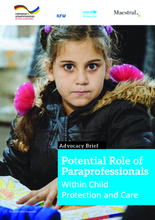
This brief presents the case for engaging paraprofessional social service workers as part of a strengthened child protection and care system in Ukraine. The advocacy brief outlines how paraprofessionals—working under the supervision of qualified professionals—can help address workforce shortages, particularly in crisis-affected and resource-constrained contexts.
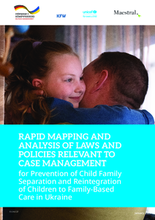
The paper provides an overview of Ukraine’s legal and policy framework related to child protection and care reform. The document reviews key national laws, strategies and regulations to assess their alignment with international child rights standards and the objectives of the reform to ensure that every child grows up in a family environment.
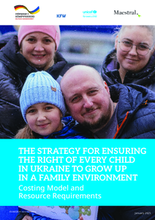
The Costing Model and Resource Requirements report presents a comprehensive financial analysis of Ukraine’s National Strategy to ensure every child grows up in a family environment. It estimates the resources required to implement the Strategy and its multi-year implementation plan across national, oblast and hromada levels, with a focus on strengthening families, expanding family-based care, reintegrating displaced children and transforming institutional care.
The report analyses existing parenting support policies, programmes and service models relevant to child protection and care reform. Drawing on international evidence and national sources, the review highlights the role of parenting support in preventing family separation, strengthening caregiving capacities and improving child well-being across the life course.

Youth Independent Living outlines the role of supported and supervised independent living as a key care option for adolescents and young people transitioning out of alternative care in Ukraine. Grounded in international legal frameworks and global evidence, the brief explains how independent living services support youth to safely transition to adulthood while prioritizing their best interests over institutional care.