File
Displaying 1831 - 1840 of 4560
On this page, you will find stories from people with various disabilities across the globe sharing their experiences with the COVID-19 outbreak and pandemic risk reduction strategies implemented by their governments.
This platform reports how countries are responding to the Covid-19 pandemic in their migration control policies as well as calls by independent monitoring bodies, NGOs, and human rights institutions demanding measures to safeguard migrants and asylum seekers, including unaccompanied migrant children.
This research was conducted in March and April 2020 to explore children and young people’s reflections and perceptions on the COVID-19 outbreak.
This webpage features a selection of materials which the Coalition for Children Affected by AIDS have found to be useful.
This page from the Consortium for Street Children website explores how the COVID-19 pandemic is affecting street-connected children and features documents from the Consortium, including explanatory notes on COVID-19 and street-connected children’s rights, and other resources.
This internal case management guidance aims to provide initial support to child protection staff and partners to adapt their case management programming within the contagious environment of COVID-19.
UNICEF has produced a guidance note on considerations for children and adults with disabilities in the COVID-19 response.
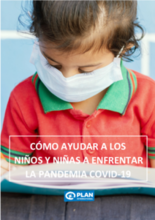
Plan International Australia lanzó una guía que ayuda a madres, padres y tutores a orientar algunas de las difíciles conversaciones y situaciones que pueden surgir con niñas y niños durante esta abrumadora pandemia.
Save the Children ha creado cinco breves guías temáticas para padres y madres, en el marco del proyecto ‘A tu lado’.
The Early Childhood Development Action Network (ECDAN) partners have co-developed and launched a Call For Coordinated Action urging all governments, global partnerships, multi- and bi-lateral agencies, political bodies, funders, international non-governmental organizations, faith-based organizations, the business sector, academia, civil society organizations, networks, and advocates to prioritize and invest in the needs of ALL young children and their parents and caregivers, especially the most vulnerable, during the COVID-19 pandemic response and recovery.