
File
Displaying 2951 - 2960 of 4554
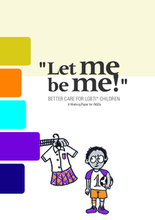
Dreilinden produced this working paper to improve practice in the area of *LGBTI children in care. This paper has texts in a variety of formats from around the world and contains three sections that cover research and tools, interviews, and practice examples.
Under new project DCPU aims to place 100 children into foster care.
How some orphanages in Bali use children to get money from the government and donations from tourists.
This document describes the 2017-2020 strategy of Family For Every Child. The Strategy paper highlights the mission and vision of Family For Every Child, provides examples of past work and key lessons, and describes its approach and goals to create change toward better care for children.
The present study represents the first large-scale, prospective comparison to test whether aging out of foster care contributes to homelessness risk in emerging adulthood in the USA.
An article from The Culture Trip about how orphanages in Cambodia manipulate families and deceive tourists.
This webinar explores the latest research findings and examines their implications for how we design, fund and deliver support to HIV-affected communities.
An article from Stahili on how orphanages are used as marketing strategies to appeal to volunteers.
International Organization for Migration seeks a special short-term graded protection officer for its Gaziantep, Turkey Duty Station. The position is expected to last six-months with possible extension.
Taught by Graham McPheat, this course helps to explore some of the issues involved in undertaking the task identifying and caring for vulnerable children.