
File
Displaying 3091 - 3100 of 4554
The Greek Reporter states that the joint project between the EU and UNICEF will help keep refugee children safe and cared for.
Three semi-structured focus group interviews were conducted with twelve schoolchildren, aged 13–15 years for the purpose of exploring the knowledge and attitudes towards disability of young people within Moldova.
This article examines the ethics of forcing women to take birth control by sharing experiences of women who are part of the Pause program.
The expected vote could have a domino effect on how other countries handle inter-country adoptions.
Bringing together cross-disciplinary expertise, this volume addresses a vast range of topics related to child abuse and neglect in Uganda.
Four-year inquiry found widespread abuse in Northern Ireland child care homes.
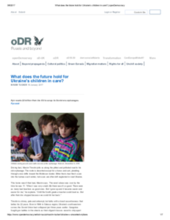
In this issue of ODR, Maxim Tucker details the deinstitutionalization challenges facing Ukraine
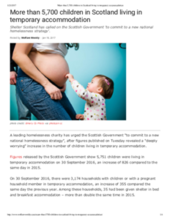
Scotland sees a marked increase of children in temporary housing over last year.
USA TODAY reports Russia is willing to open up discussions with the United States regarding the possibility of lifting its four-year old adoption ban.
On January 18, 2017, Neelam Fida, Child Protection Project Manager at Islamic Relief Worldwide (IRW), one of Keeping Chidren Safe's full Member will present a webinar on "child safeguarding within Faith-Based Organisations".