Image
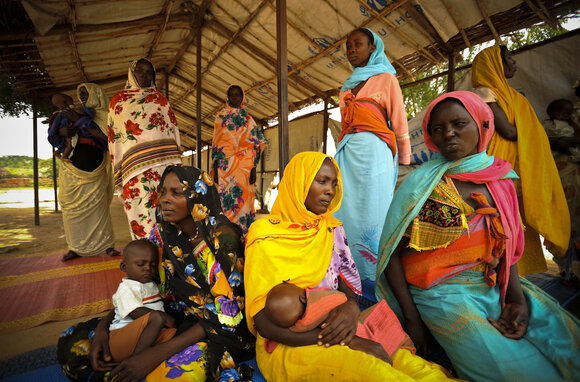
This page contains documents and other resources related to children's care in Africa. Browse resources by region, country, or category. Resources related particularly to North Africa can also be found on the Middle East and North Africa page.
Displaying 421 - 430 of 597
This article uses data collected from adoptive parents’ postadoption and governmental data in Romania, Ukraine, India, Guatemala, and Ethiopia to focus on domestic adoption in each of these countries. The article highlights both promising practices in domestic adoption as well as policies and practices that require additional research.
Infant Mental Health Journal has published an important Special Issue on Global Research, Practice, and Policy Issues in the Care of Infants and Young Children at Risk. This article describes a model of care for abandoned and neglected infants in need of urgent physical, social, and medical support as implemented by the Child's i Foundation, an international, nongovernmental organization operating in Uganda.
This document presents key models used by Hope and Homes for Children (HHC) in Rwanda with regards to deinstitutionalisation and child protection system reform, particularly regarding closure of institutions, development of alternative care and prevention of family separation and institutionalisation.
A short brief by Hope and Homes for Children (HHC) in Rwanda explaining strategies used in the process of taking its deinstitutionalisation pilot project and research up to policy-level advocacy.
This report presents the findings of an audit of the cash transfer programs for the Orphans and Vulnerable Children (OVC), Persons with Severe Disability (PWSD), and the Elderly in 21 sub-counties of Kenya, to provide the national and county governments with a snap shot account of the implementation of the cash transfer program and the level of participation of the vulnerable populations in programs designed for them.
This report describes the Social Connectedness Programme and the three strands of research that inform it. The report defines social connectedness and social isolation and explains the benefits of social connectedness.
This issue brief from the UNHCR highlights key messages from UNHCR in regards to alternative care, including the importance of making alternative care arrangements based on the best interests of the child and using residential or institutional care only as a very last resort.

This report, from the African Child Policy Forum, is aimed at informing and accelerating pan-African, regional and national efforts to prevent and respond to violence against children.
This report from SOS Children’s Villages and the University of Bedfordshire provides reviews and assessments of the implementation of the Guidelines for the Alternative Care of Children in 21 countries around the world.

The Guidelines for Kinship Care, Foster Care and Supported Independent Living in Liberia are intended to provide harmonized national guidance for child welfare practitioners in order to improve the quality of family-based alternative care services in Liberia, particularly for children without appropriate care (CWAC).