Image
Displaying 31 - 40 of 488
Foaia de parcurs pentru încetarea plasamentului copiilor din grupa de vârstă 0-6 ani în îngrijire rezidențială este un instrument care asigură toate componentele îngrijirii protectoare ale copilului: sănătate, alimentație adecvată, îngrijire, siguranță și educație timpurie, prin colaborarea intersectorială dintre Ministerul Muncii și Protecției Sociale, Ministerului Sănătății, Ministerul Educației și Cercetării și autoritățile administrației publice locale.

This is a tool that ensures all components of child protective care: health, adequate nutrition, care, safety and early education, through the intersectoral collaboration between the Ministry of Labor and Social Protection, the Ministry of Health, the Ministry of Education and Research and local public administration authorities.

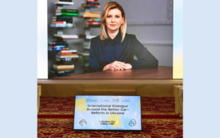
On 26 April 2024 the International Dialogue on Better Care Reform was held in Kyiv as part of the International Summit of Ministers of Social Policy. The Government of Ukraine is currently working on establishing an International Advisory Group to serve as a platform for collaboration, guidance, and ongoing support to strengthen its child care and protection systems.
The current study examined irritability in 107 16-year-olds with a history of institutional care from a randomized controlled trial of foster care as an alternative to institutional care and 49 community comparison children.
Adopting a qualitative approach, this study gave voice to seven adoption applicants in Romania who began the adoption journey with one or more children but did not complete the legal process. The goal of the researchers was to understand their experiences throughout the adoption process and disruption. The present study is part of a larger research project that focused on the resilience of the adoptive family in Romania.
Programul Național pentru Protecția Copilului pe anii 202

This study analyzes statistical data on the institutionalization of children aged between 0-6 years; examines current practices of prevention, identification, assistance, referral, and placement in institutions and family based alternative care; evaluates the knowledge and attitudes of professionals and decision makers and outlines recommendations for the development and introduction of a moratorium on placing children aged between 0-6 years in residential care.
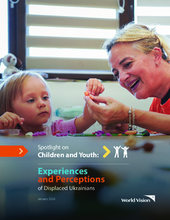
This report presents an analysis of focus group discussions (FGDs) conducted over the course of December 2023 and January 2024 with children affected by the conflict in Ukraine, including those displaced within Ukraine as well as those in Romania, Moldova, and Georgia.
This article examines the adoption of Ukrainian children, by U.S. citizens as the Ukrainian government ceases adoptions of children during the chaos of war. Intercountry adoption dynamics are presented with data from 2021, prior to the conflict in 2022.
This report examines the evolution of social service workforce strengthening in the light of the three core pillars of the Social Service Workforce Strengthening Framework: planning, developing and supporting. It identifies significant progress and accomplishments that have been made to strengthen the social service workforce at the global level as well as in three specific countries: Romania, Uganda and Viet Nam.