File
Displaying 3241 - 3250 of 4554
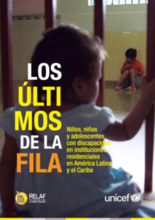
Este informe, presenta los resultados de ese estudio, examina las condiciones en que se encuentran los niños y los adolescentes con discapacidad en relación con el ejercicio de sus derechos, y propone algunas líneas de acción estratégica para mejorar las políticas y las prácticas en dirección a la garantía y la restitución del derecho de todos los niños, las niñas y los adolescentes a crecer en un ámbito familiar y comunitario, y sin discriminación.
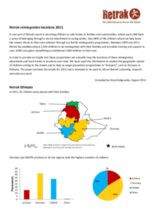
Each year Retrak maps the locations of family reintegration placements and tracks trends in locations over time. They have used this information to help them understand the geographic spread of children coming to the streets and to target prevention programmes on ‘’hotspots’’- places from which many children migrate to the streets.
An estimated 50 million children are on the move in the world today. Millions more have been deeply affected by migration. The need for solid evidence to develop better policies on child migration has never been greater.
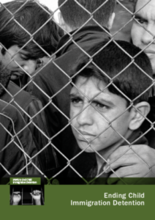
This document is a summary of the Interagency Working Group to End Child Immigration Detention Report. This article serves a summary of normative and policy developments that reflect the growing consensus and acknowledgement from the international community regarding immigrant detention. It highlights the issues specified the report and emphasizes the key issues surrounding immigration detention.
In this report from the Inter-Agency Working Group (IAWG) to End Child Immigration Detention, states that the immigration detention of children represents a serious threat to children, and a growing body of UN, regional, and domestic human rights experts have called upon States to “expeditiously and completely” end the practice.
Practical guide for travel companies delivering volunteer tourism experiences.
This article discusses how the resilience of foster children can be increassed, and their outcomes changed through the responsible and intentional interventions of health care professionals, child welfare workers, and communities.
This document reflects a commitment to launch a process of intergovernmental negotiations leading to the adoption of a Global Compact for Safe, Orderly and Regular Migration. It provides an outline for the proposed content and terms of the Global Compact.
This is a document that addresses the migrant and refugee crisis of 2016. It is a comprehensive refugee response developed by UNHCR, and involving other relevant UN agencies, including States, the United Nations, other international organizations, national and local authorities, civil society partners (including faith based organizations and academia), the private sector, media and refugees.
In this report, the Special Rapporteur noted that children were disproportionately represented among migrants who were forcibly displaced. The Special Rapporteur also observed the frequent presence of children in detention in all the countries visited. In some instances, unaccompanied children in detention slept alongside adults.