Image

Displaying 1221 - 1230 of 1660
The purpose of this study was to investigate the coping strategies of caregivers of HIV/AIDS orphans.
This toolkit is designed to increase knowledge of the rights and duties provided in the ACRWC and ACERWC, educate government officials on the obligations of State Parties and inform civil society actors on the contents of the Charter as well as the mechanisms for engaging with the ACERWC.
This document highlights some of the key learnings from the Ishema Mu Muryango program, a program designed to safely and sustainably reintegrate children living in institutions in two districts of Rwanda into their families or communities and prevent further institutionalization.
This interpretive study examines the experiences of 54 Ethiopian emerging adults who had aged out of institutional care facilities. Findings are derived from interviews and focus groups in which questions and activities focused on the challenges faced by participants and the supports they relied on throughout the transition process.
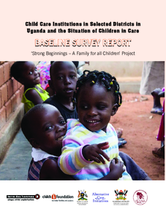
This report presents findings of a baseline study for the Strong Beginnings -- A Family for all Children project.
This paper identifies the challenges the OVC are experiencing in schools as absenteeism, lack of physical infrastructure, insecurity, psychological trauma, among others. The paper also proposes strategies and programmes that various stakeholders have, and should put in place to assist OVC.
This overview document provides a brief update on child care reform in Rwanda.
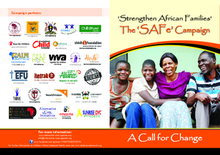
This Call for Change from the ‘SAFe’ Campaign in Uganda provides an overview of the situation of orphaned and vulnerable children in Uganda, highlights key concerns related to this situation, and outlines ways forward for strengthening families.
This report presents research conducted by Save the Children in East Africa. The aim of this research was to build knowledge on endogenous care practices within families and communities, especially informal kinship care, in order to increase the care and protection of children. The research on kinship care was implemented in Ethiopia, Kenya, and Zanzibar.
This working paper, produced by the Better Care Network and the Global Social Service Workforce Alliance, explores the topic of social service workforce strengthening as it relates to child care reform.