Image
This page contains documents and other resources related to children's care in Africa. Browse resources by region, country, or category. Resources related particularly to North Africa can also be found on the Middle East and North Africa page.
Displaying 41 - 50 of 597
The Strengthening the Social Service Workforce for Family-Based Care project is a two-year project implemented and managed by the Global Social Service Workforce Alliance with technical support from consultants from Child Frontiers and supported b
This report by Child’s i Foundation, supported by the Global Social Service Workforce Alliance and the Martin James Foundation, presents findings from consultations with 133 care-experienced children, young adults, and caregivers in Uganda to understand their needs and expectations of social workers. The insights inform new training tools and advocacy efforts to strengthen social work practices, policies, and guidance to better support vulnerable families and care-experienced individuals.
The Care Reform Roadmap (2024-2028) lays out the strategic actions for caring for vulnerable children in Ghana, led by the Ministry of Gender, Children, and Social Protection.

These guidelines provide minimum standards to be adhered to in the provision of Child Welfare Programmes; The guidelines will also provide a framework within which state and non-state actors shall develop, design, and implement childcare and welfare programmes to enhance child rights, strengthen family and community-based care.
These national guidelines provide a roadmap of activities to guide the state and non-state actors in Kenya to streamline the transitioning of care systems, children and institutions in the country.
The Final Report: Changing the Way We Care; Year 5 Evaluation highlights the Changing The Way We Care (CTWWC) initiative’s substantial contributions to advancing care reform globally and in demonstration countries—Guatemala, Kenya, and Moldova—through strengthened policies, systems, and stakeholder collaboration.
This case study, developed by an external evaluation team as part of the Changing the Way We Care (CTWWC) initiative’s five-year evaluation, examines efforts in Kenya to promote and formalize Kafaalah as a recognized alternative family care option.
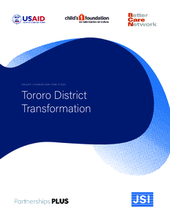
Based in Uganda, Child’s i Foundation successfully transitioned their residential programs before deciding to expand their vision and seek to bring about care reform to the entire district of Tororo. Partnering with the district level government and several CCIs, Child’s i Foundation carried out an extensive analysis and assessment of the Tororo region which provided information to guide the ensuing transitions of CCIs throughout the region.