Global
Displaying 1421 - 1430 of 4555
In this study, interventions addressing cognitive or educational outcomes for HIV OVC worldwide were examined through systematic searches conducted from October 2016 to 2019.
In this blog post, the authors call attention to the "malnutrition epidemic" that the world's children are currently facing, exacerbated by the COVID-19 pandemic.
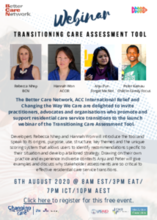
This launch webinar provided an introduction to the Transitioning Models of Care Assessment Tool, an assessment framework that assists practitioners to identify and analyze key starting point dynamics and determine the implications for strategy in supporting organisations to transition from an institutional to non-institutional model of care.
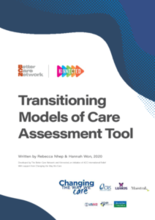
This tool is designed as an assessment framework that assists practitioners to identify and analyze the key starting point dynamics and determine implications for strategy in their work to transition an organization's model of care of children from institutional to a non-institutional model.
File
The Better Care Network, ACC International Relief and Changing the Way We Care are delighted to invite practitioners, advocates and organisations who promote and support residential care service transitions to the launch webinar of the Transitioning Care Assessment Tool.
File
"All 187 member States of the International Labour Organization (ILO) have ratified the ILO Convention on the Worst Forms of Child Labour," says this press release from the ILO.
This book explores the experiences of children and young people who are migrants.
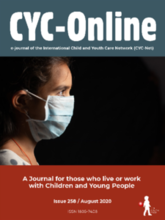
This issue of the e-journal CYC-Online includes articles on the impact of COVID-19 on children in alternative care in South Asia, residential care centers during COVID-19, child welfare experience among child and youth care practitioners, and more.
File
A group of young people with care experience came together on a webinar on June 6, 2020 and developed this set of commitments and recommendations specific to the issues affecting children and youth from alternative care settings globally.
File

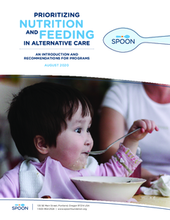
This paper draws upon lessons from SPOON Foundation's work in 17 countries since 2008, summarizing the main nutrition considerations for children in alternative care and offering recommendations on integrating nutrition and feeding practices into alternative care programs. This paper also explores ways that nutrition can support the global movement to ensure every child has family-based care, while meeting the immediate needs of the millions of children currently in all types of alternative care.
File