Image
This page contains documents and other resources related to children's care in Asia. Browse resources by region, country, or category.
Displaying 61 - 70 of 2051
This chapter, in the book Children and Family Social Work, reviews the reform of children’s care systems in Eastern Europe and Central Asia, tracing the historical reliance on large-scale residential institutions under communism and the subsequent shift toward community-based alternatives after the Soviet Union’s collapse. While institutionalization has significantly declined and community services have expanded, challenges remain in funding, workforce development, and preventing family separation while protecting children from harm.
This UNICEF article examines how violent discipline, both physical and psychological, remains widespread across Europe and Central Asia, often occurring in homes or care settings behind closed doors despite legal bans and policy commitments in man
The article highlights a deeply troubling crisis facing street-connected children in Pakistan, who remain largely invisible to authorities and are subject to widespread sexual exploitation and abuse, exacerbated by poverty, lack of safe shelter, l
In this article, Hasht-e Subh reports that the Taliban has abruptly closed private orphanages across Afghanistan, seized their assets, and transferred thousands of vulnerable children into state-run facilities under Taliban control—raising deep co
In Myanmar, concerns have been raised that clientelism may be facilitating the recruitment of children into unregistered facilities, putting children at risk. This study uses clientelism theory and examines relationships between stakeholders involved in forty-five residential care facilities in Myanmar. It finds clientelism as a distinct driver of child institutionalization in Myanmar and as a mechanism that facilitates the recruitment and admission of children into unregulated residential care facilities, undermining their rights and safety.
This scoping review examines evidence from Asia and culturally comparable contexts to understand the experiences and support needs of young people transitioning from out-of-home care, with a particular focus on Indonesia. The findings highlight widespread gaps in formal leaving-care and aftercare support, alongside promising practices, the importance of informal networks and independent living skills, and the influence of stigma, gender, and resilience on care leavers’ transitions to adulthood.
This paper examines how India’s adoption framework applies the best interests of the child principle, analyzing legislation, regulations, court decisions, and international standards. It argues that while adoption procedures have become more centralized, gaps in institutional capacity, eligibility rules, and statutory safeguards limit the principle’s meaningful application and contribute to informal adoptions.
This article examines how the Collective Impact methodology has supported childcare system reform in Moldova, using the Family Care First initiative in Cambodia as a comparative example to identify key lessons on governance, coordination, and local leadership. It highlights how strategic collaboration, policy advocacy, and evidence-based approaches contributed to Moldova’s commitment to ending child institutionalization by 2027, while identifying ongoing challenges in shifting stakeholder mindsets.
This qualitative case study examines the challenges and opportunities of alternative childcare services in Bangladesh, finding a growing demand for care options but significant gaps in quality and coordination. Key issues include inadequate emotional and psychosocial support, shortages of trained caregivers, weak monitoring systems, and social stigma, highlighting the need for stronger investment, capacity building, and a more child-centred approach.
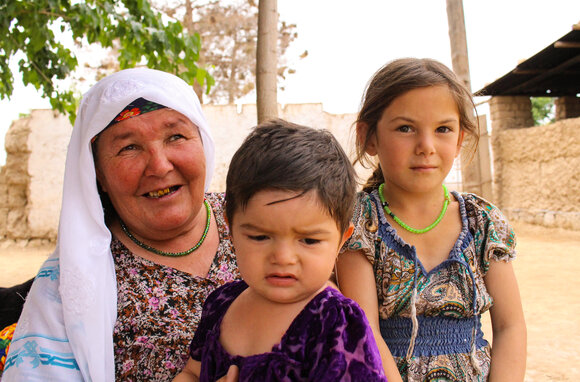
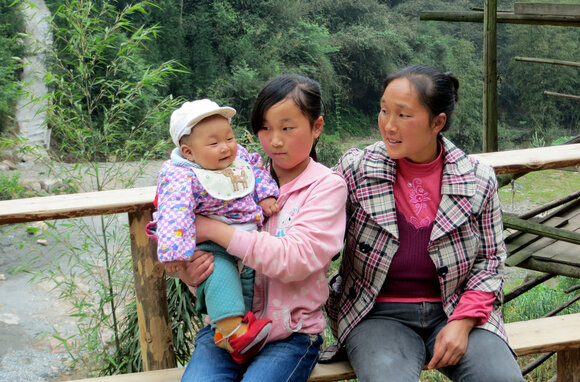
This study finds that grandparenting as primary care in China is generally associated with lower overall and social-emotional development among preschool children. However, it can have a protective effect for children living with a single parent—particularly in low-income families—highlighting the need for targeted support and training for grandparent caregivers.